Mining Handheld XRF Analyzers for Geochemistry by Alloy Geek
10 products
Showing 1 - 10 of 10 products
Portable Elemental Analysis for Exploration, Grade Control & Field Geochem
Portable Elemental Analysis for Mining Professionals
Mining and geochemical work rarely happens in ideal conditions. Decisions are often made in the field, under time pressure, with limited ability to wait on laboratory results. Handheld XRF analyzers bridge that gap by delivering immediate elemental data directly at the outcrop, drill site, or mine face.
This collection brings together Alloy Geek’s handheld XRF analyzers configured specifically for mining, exploration, and geochemistry, not repurposed scrap or alloy-only instruments. Every analyzer listed here is selected for field reliability, low limits of detection, and proven mining calibrations.
Why Mining Teams Use Handheld XRF
For exploration and production teams alike, speed matters. A handheld XRF allows geologists and engineers to evaluate rock, soil, sediment, and mineralized material in seconds rather than waiting days for lab turnaround. This enables faster drill targeting, better grade control decisions, and earlier identification of pathfinder or penalty elements.
Unlike laboratory-based techniques, handheld XRF is non-destructive and portable. Instruments operate directly in the field, powered by internal batteries, and are designed to withstand dust, vibration, temperature swings, and long days on site.
Mining & Geochemistry Modes That Matter
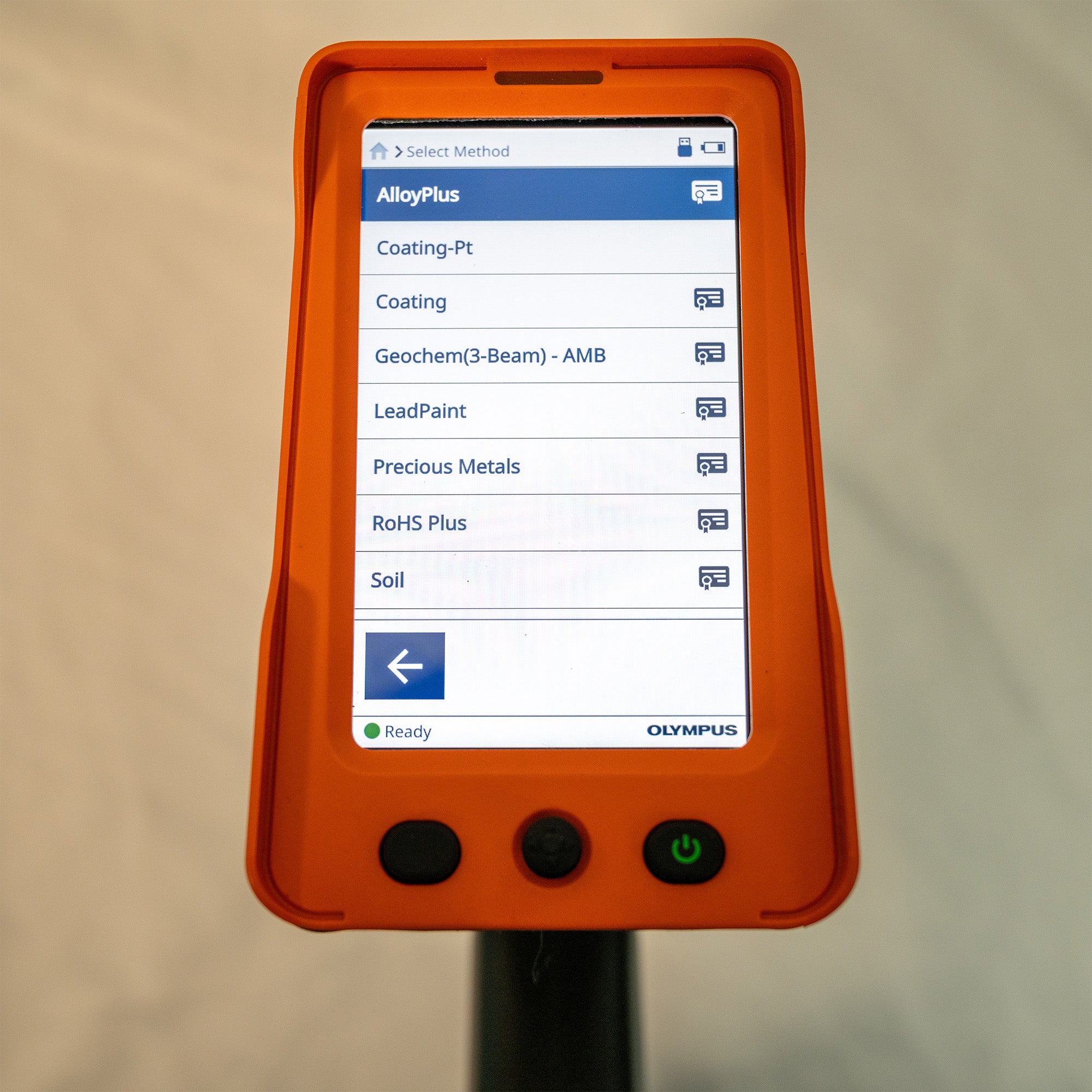
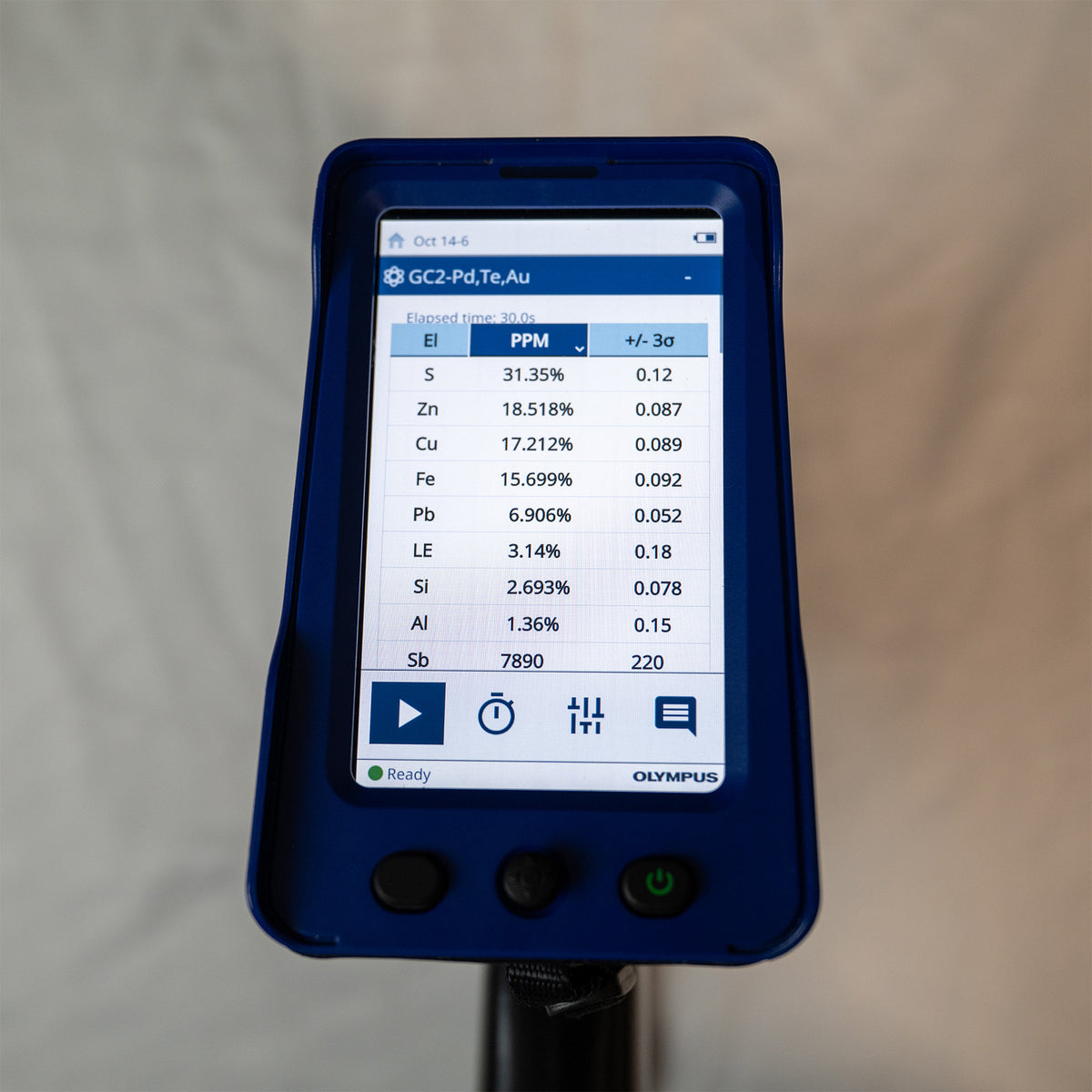
Mining-focused handheld XRF analyzers differ fundamentally from alloy-only instruments. The analyzers in this collection include dedicated mining and soil modes designed to handle variable mineralogy, heterogeneous samples, and complex matrices.
Mining modes are optimized for ore, rock, and mineral samples, while soil and geochemistry modes are tuned for near-surface materials, environmental baselines, and exploration surveys. These calibrations account for particle size effects, matrix interferences, and the real-world conditions encountered during field sampling.
The result is data that is directionally reliable and operationally useful, not just numbers on a screen.
Elemental Coverage for Exploration & Grade Control
Depending on configuration, handheld XRF analyzers in this collection are commonly used to measure a broad range of elements relevant to mining and geochemistry. These include base metals such as copper, zinc, lead, and nickel; pathfinder elements like arsenic, antimony, and molybdenum; and transition elements such as chromium, manganese, vanadium, and titanium.
Many modern mining XRF systems also support rare earth elements and specialty indicators, making them useful for REE exploration, specialty deposits, and advanced geochemical workflows. Element availability and detection limits depend on detector type, X-ray tube power, and calibration selection, which is why configuration matters.
Trusted Mining XRF Platforms
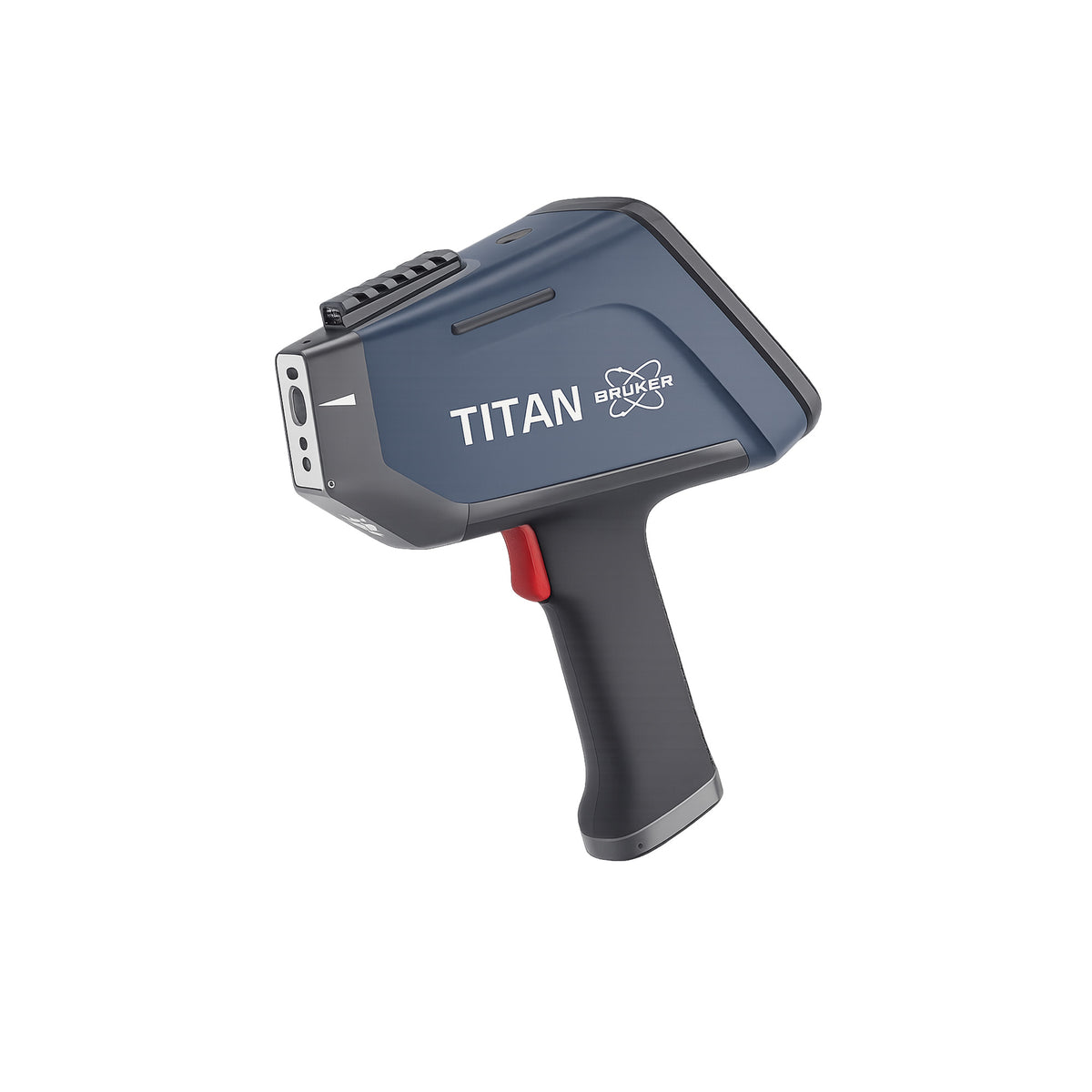
Alloy Geek supports mining-configured handheld XRF analyzers from leading manufacturers with long track records in exploration and geochemistry, including Thermo Scientific, Evident, SciAps, and Bruker.
Each platform brings different strengths—whether that’s ultra-low detection limits, high tube power for heavy elements, or ruggedized housings for harsh environments. The collection is designed to let mining customers compare these systems side by side based on real application needs.
Who This Collection Is Designed For
This collection is intended for professionals working across the mining lifecycle, from early-stage exploration through active production. That includes field geologists, mining engineers, environmental consultants, academic research groups, and contract exploration teams.
If your work involves making decisions before samples ever reach a laboratory, these handheld XRF analyzers are built for that reality.
Why Mining Teams Choose Alloy Geek
Alloy Geek specializes in application-driven handheld XRF, with deep experience supporting mining and geochemical users. We help customers understand what handheld XRF can do well, where its limits are, and how to configure an instrument correctly for their geology and workflow.
Rather than selling generic instruments, we focus on matching the right analyzer, detector, and calibration to the job—so the data you collect in the field actually supports confident decisions.
Explore the Mining Handheld XRF Collection
Browse the analyzers below to compare mining modes, detector technology, and elemental performance. Each product page includes configuration notes and application guidance relevant to mining and geochemistry.
If you’re unsure which handheld XRF is appropriate for your deposit, sample type, or project stage, Alloy Geek can help you evaluate options before you commit.
Alloy Geek Mining Handheld XRF Tier List
Not all handheld XRF analyzers are built for the same mining demands. Differences in X-ray tube power, detector performance, calibration depth, and overall system design can significantly impact field results—especially in exploration and geochemistry.
This tier list reflects Alloy Geek’s application-driven view of handheld XRF performance for mining and mineral exploration, based on real-world use cases rather than datasheets alone.
S-Tier — Mineral Exploration & Advanced Geochemistry
These instruments represent the top tier for mining professionals who require the lowest detection limits, broad elemental coverage, and maximum flexibility across complex geological matrices. They are best suited for greenfield exploration, advanced geochemistry programs, and projects where subtle elemental trends matter.
Recommended S-Tier Mining XRF Systems:
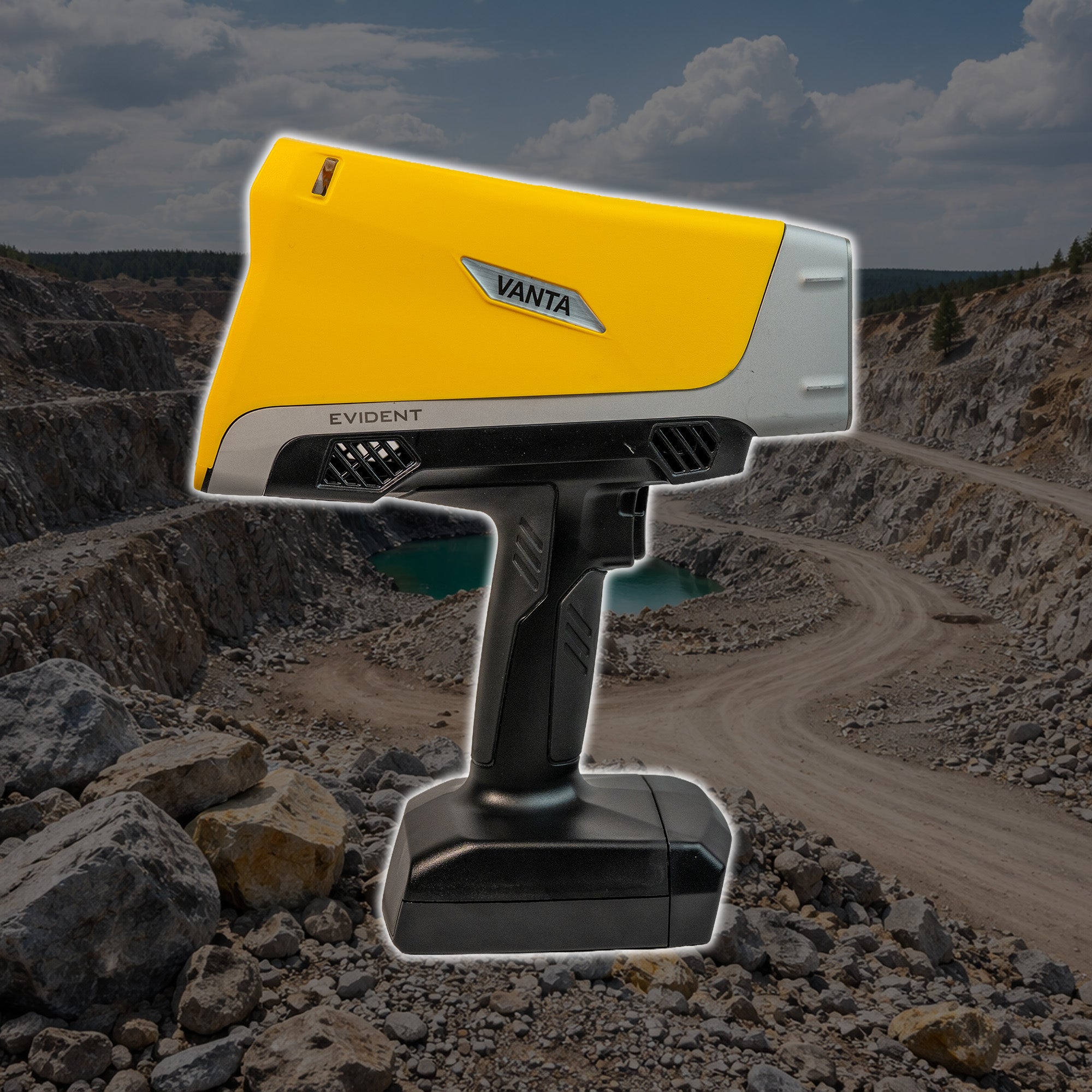
- Evident Vanta Max
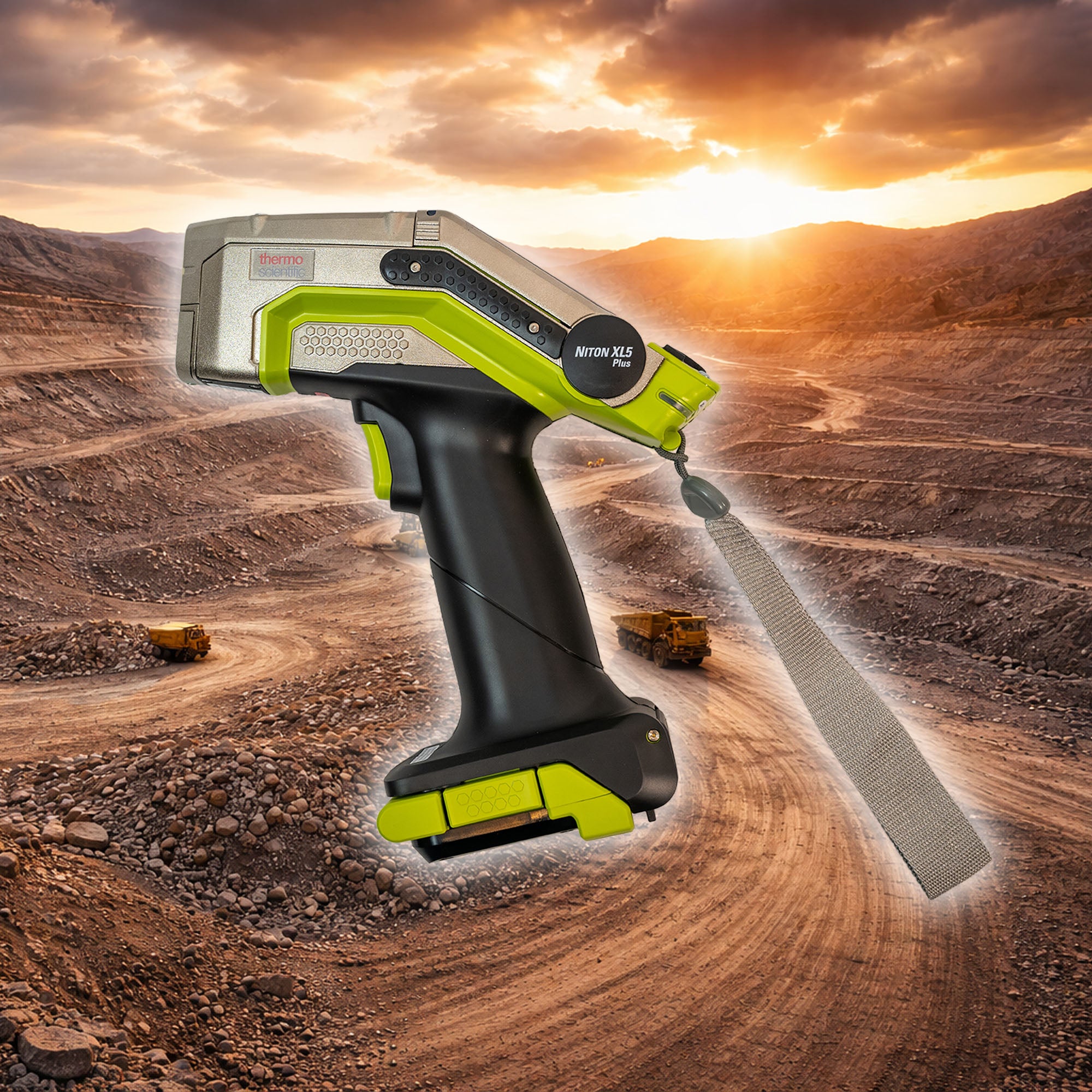
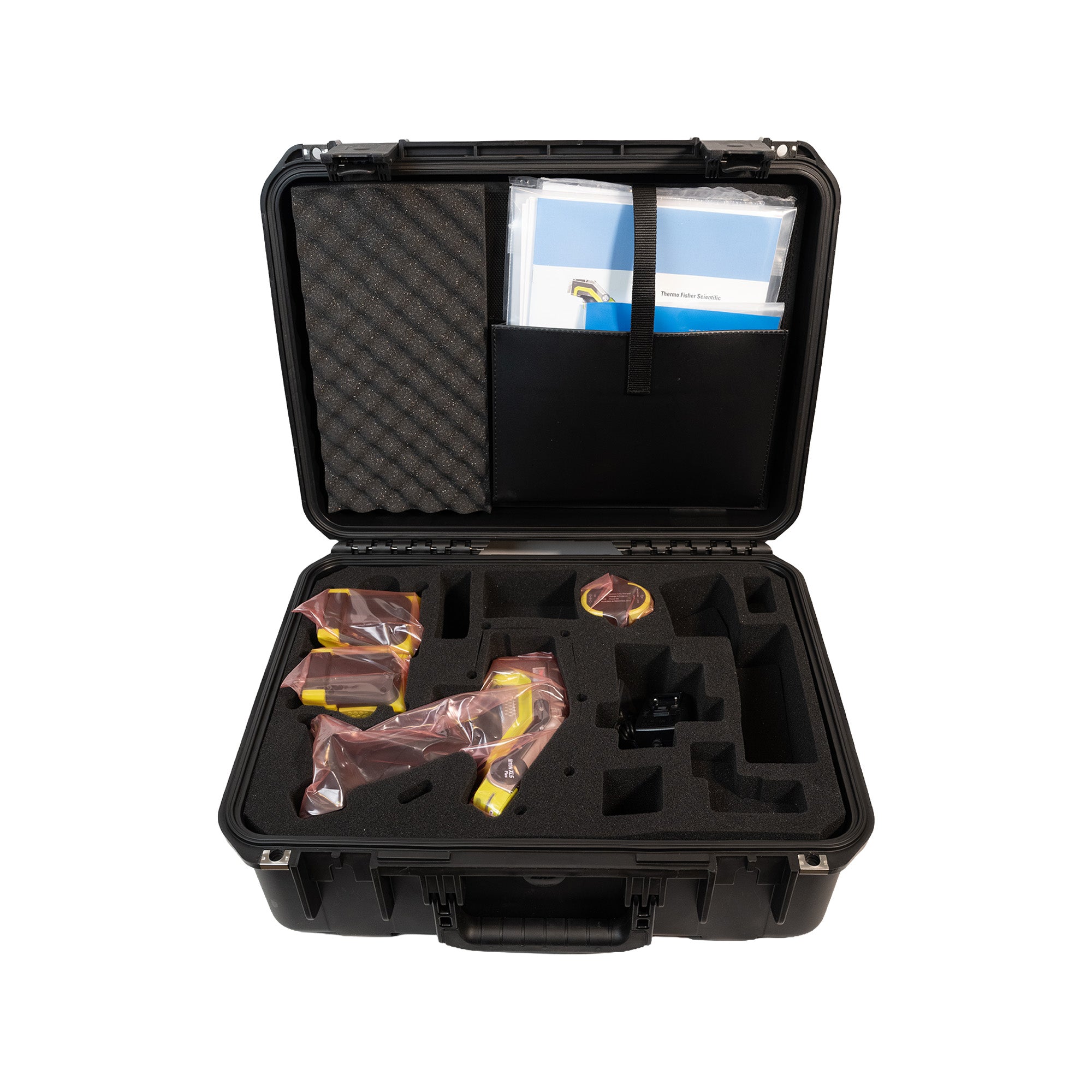
- Niton XL5 Plus
- SciAps X550 Geo
- Evident Vanta Max 55kV (REE applications only)
- SciAps X555 (REE Applications only)
S-Tier analyzers typically feature high-energy X-ray tubes (50–55 kV), premium SDD detectors, and deeply optimized mining and geochemistry modes. They are designed for users who rely on handheld XRF as a core decision-making tool, not just a screening instrument.
A-Tier — Professional Mining & Production Support
A-Tier instruments deliver strong mining performance with reliable elemental coverage and rugged field design. They are well suited for active mine sites, grade control, and exploration programs where cost, portability, and performance must be carefully balanced.
Recommended A-Tier Mining XRF Systems:
- Niton XL5e
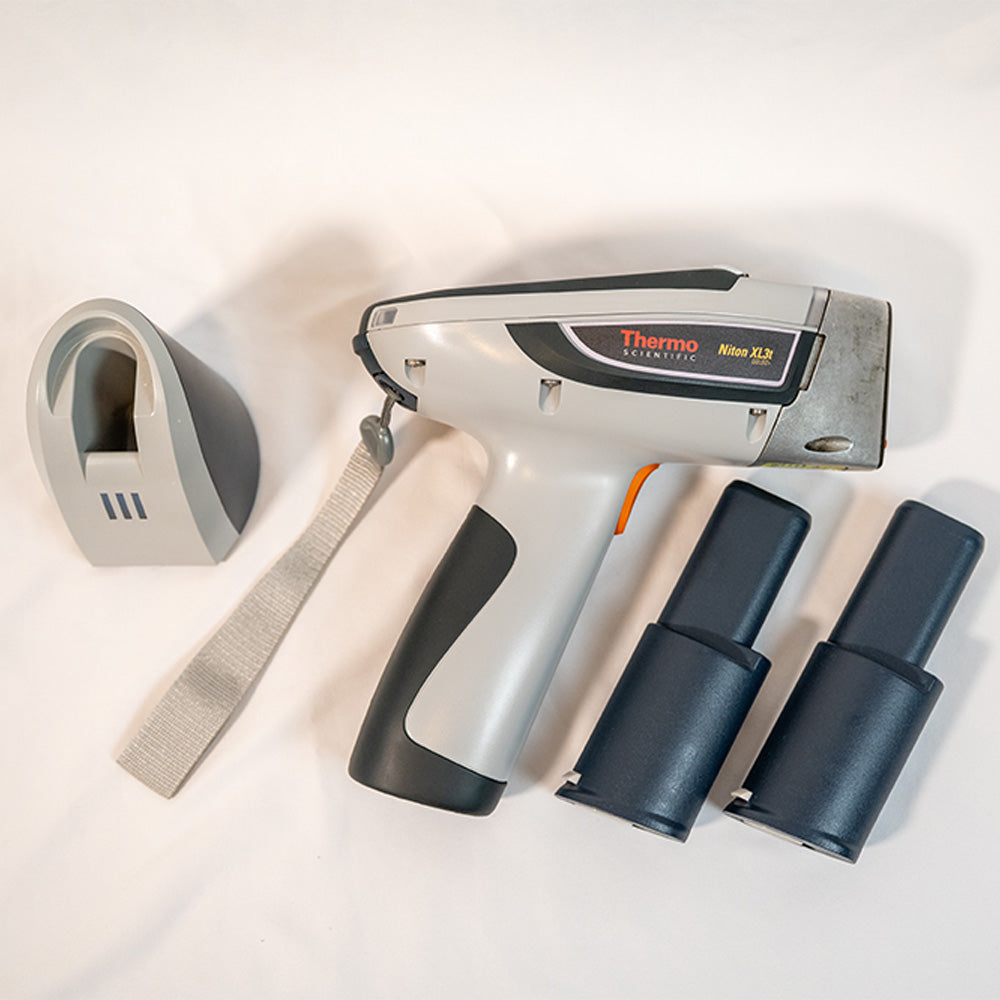
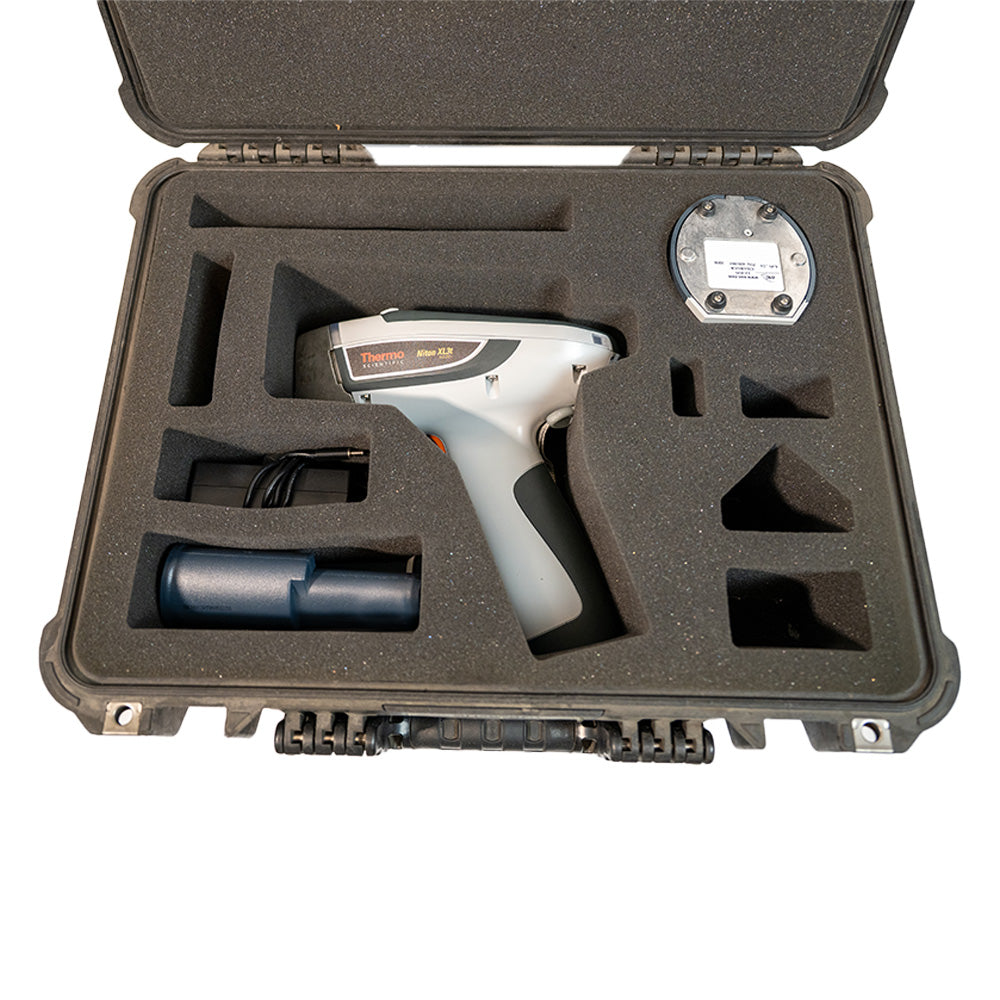
- Niton XL3t
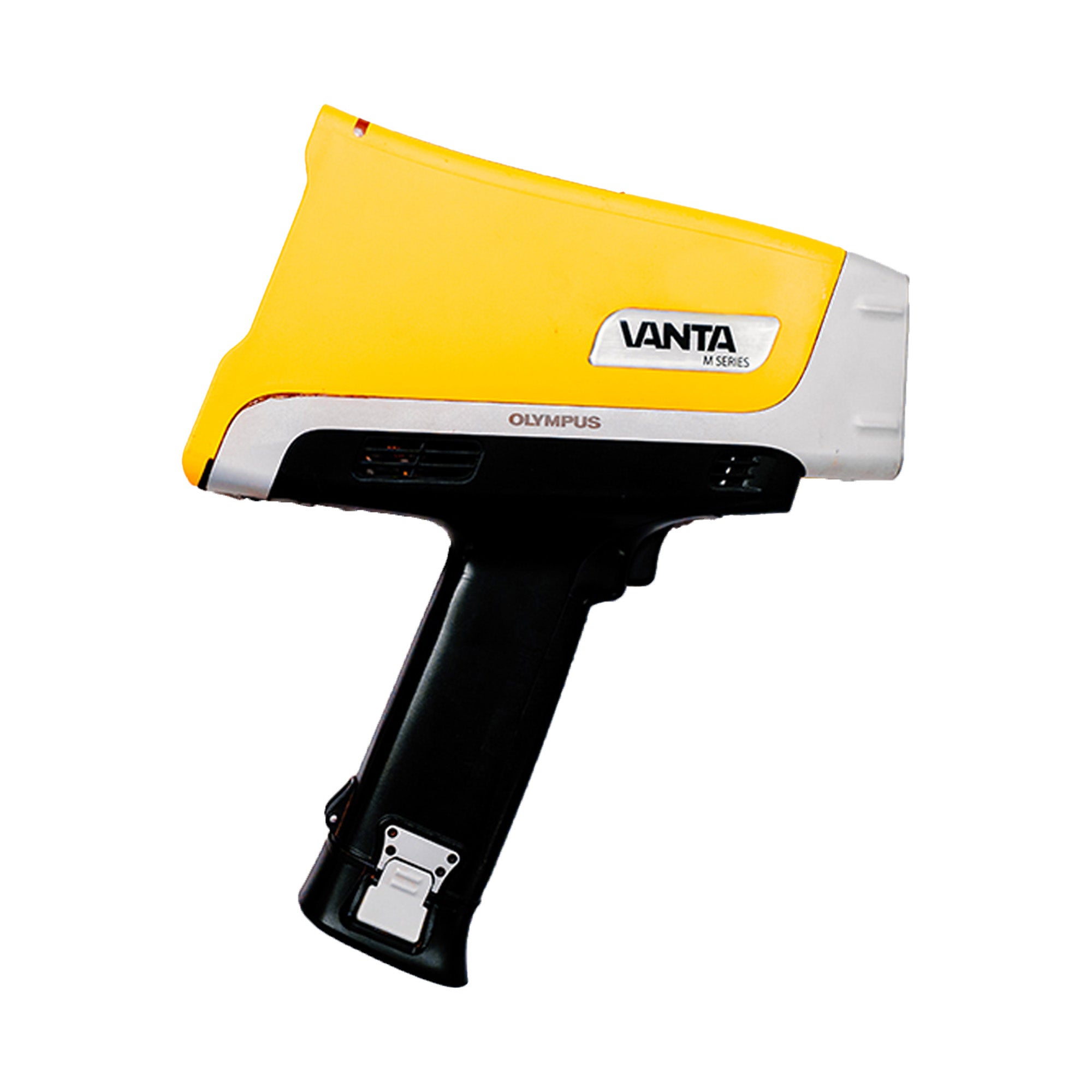
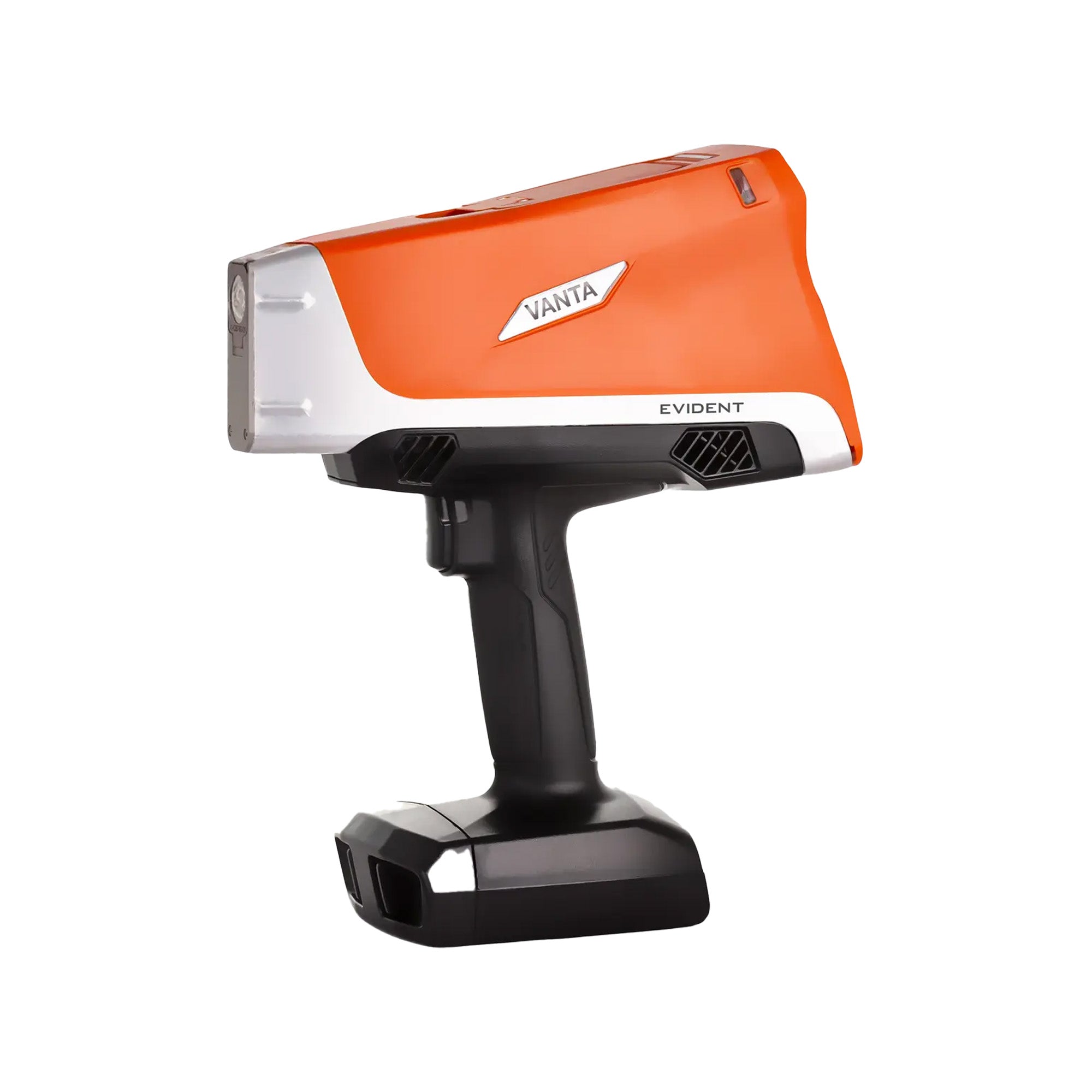
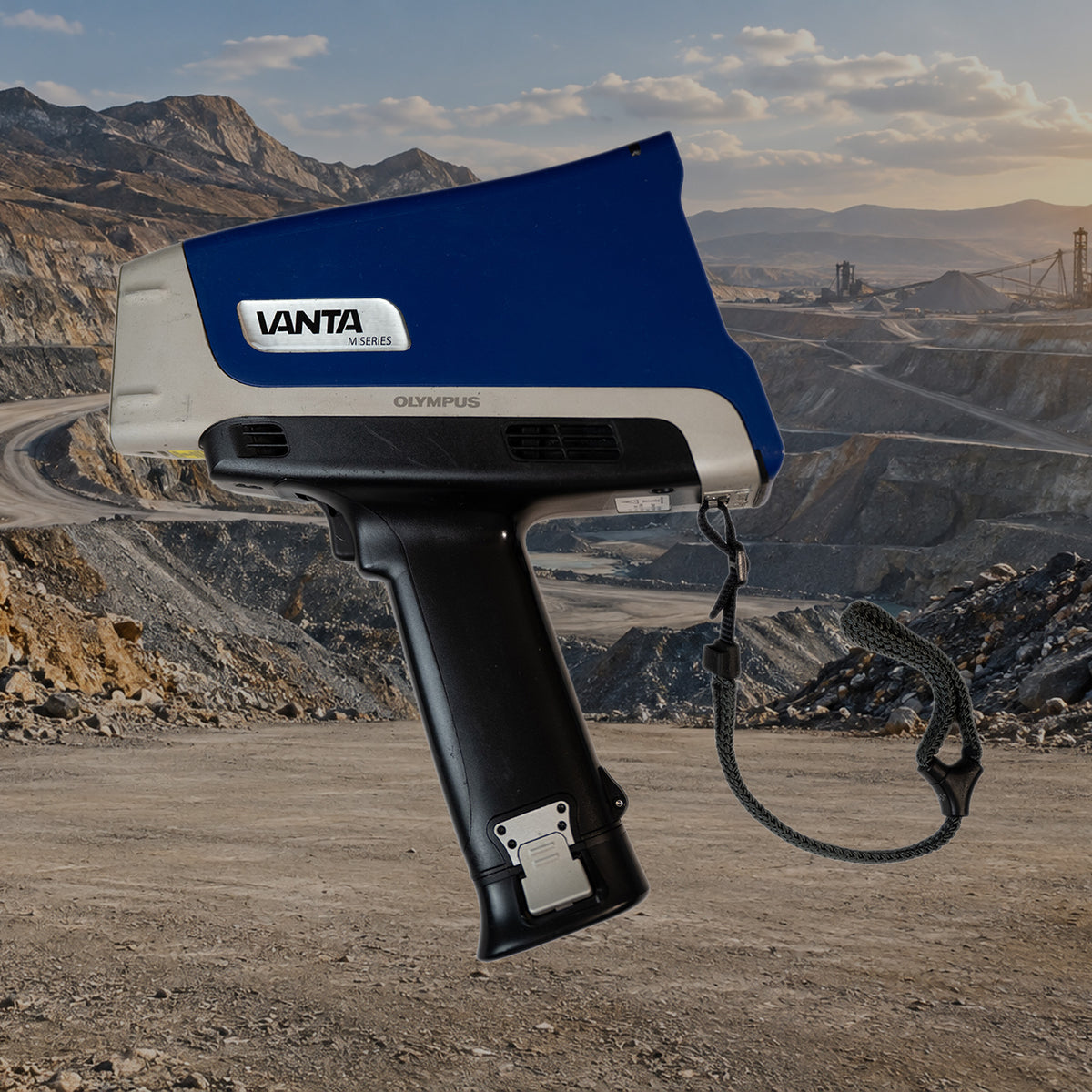
- Olympus Vanta M-Series
These analyzers handle most mining workflows effectively, particularly where elemental trends are clear and detection limits do not need to be pushed to the absolute minimum. For many mining teams, A-Tier systems represent the best value-to-performance ratio.
B-Tier — Entry Mining & Field Screening
B-Tier instruments are best suited for screening, verification, and supporting roles in mining environments. They are often used where portability, durability, or budget constraints take priority over ultra-low detection limits.
Recommended B-Tier Mining XRF Systems:
- Hitachi X-MET8000
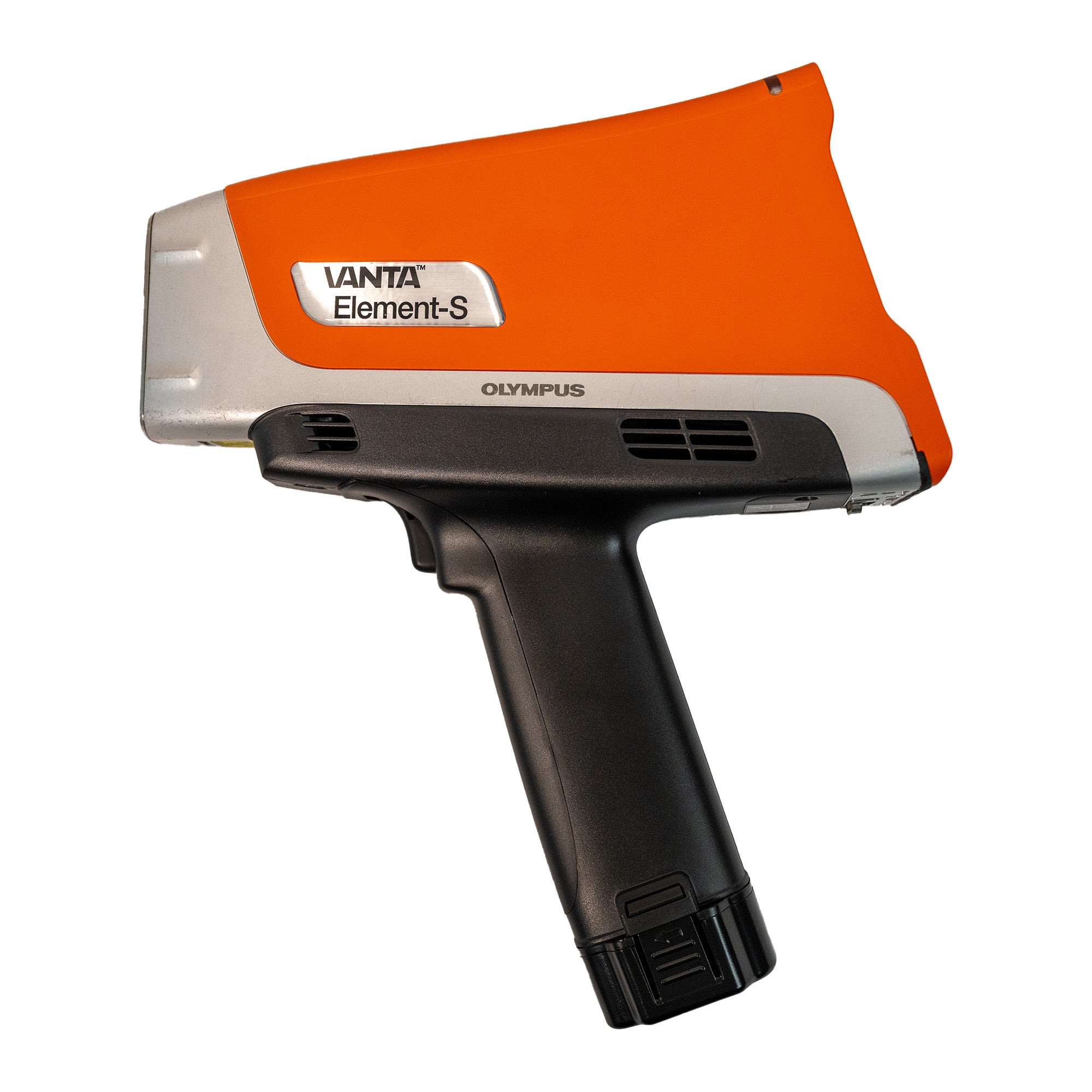
- Vanta Element-S
These systems can be effective when expectations are aligned with their capabilities, but they are not designed for high-sensitivity exploration geochemistry or demanding trace-element work. Alloy Geek typically recommends B-Tier analyzers for supplemental field use rather than primary exploration programs.
How to Use This Tier List
This tier list is not about “good” versus “bad” instruments—it’s about fit for purpose. The right handheld XRF depends on your geology, target elements, project phase, and how critical real-time data is to your decisions.
If you’re unsure which tier aligns with your mining workflow, Alloy Geek can help evaluate your application and guide you toward a configuration that matches both your technical needs and operational reality.
Mining Handheld XRF – Frequently Asked Questions
Why use a handheld XRF instead of laboratory assay?
Handheld XRF does not replace laboratory assay, but it dramatically compresses the decision timeline. In mining and exploration, the value of handheld XRF is speed: elemental data is available in seconds, allowing geologists to adjust sampling strategies, refine drill targets, or flag material for follow-up before leaving the site. Laboratory methods remain essential for final reporting and trace-level work, but handheld XRF is unmatched for real-time field decisions.
Why is 50 kV X-ray tube power important for mining applications?
Higher tube voltage is critical for exciting mid- to heavy-atomic-number elements commonly encountered in mining, such as Ag, Sn, Sb, Ba, W, and many pathfinder elements. A 50 kV system provides the beam energy needed to penetrate minerals and generate usable signal from these elements. Lower-power systems are typically optimized for alloys or surface analysis and may struggle in geochemical or mineralized samples.
When should I consider a 55 kV or higher-energy XRF system?
A 55 kV system is most valuable when your work involves heavy elements such as rare earth elements, or when you need the lowest possible detection limits in complex geological samples. These systems are commonly selected for advanced exploration programs, REE projects, or applications where subtle elemental trends matter. For many mining workflows, 50 kV is sufficient, but higher energy becomes important as especially if you're looking for REEs!
Do I need certified reference materials (CRMs) for my handheld XRF?
CRMs are not required for basic field screening, but they are strongly recommended for data validation, method checks, and ongoing quality control. Using CRMs allows you to verify instrument performance, monitor drift over time, and build confidence in field results.
Can handheld XRF analyzers measure all elements?
No. Handheld XRF cannot reliably measure very light elements such as carbon, nitrogen, or oxygen, and performance on elements like magnesium or aluminum depends on detector design and calibration. XRF is most effective for mid- to heavy-atomic-number elements, which is why it is so useful for mining and geochemistry.
How accurate is handheld XRF data in mining applications?
When properly configured and used within its limits, handheld XRF provides highly repeatable and directionally accurate data suitable for exploration, grade control, and screening. Absolute accuracy depends on sample preparation, matrix effects, calibration selection, and use of reference materials. Handheld XRF is best viewed as a decision-support tool, not a replacement for final laboratory assays.
Do different mining modes change what elements can be measured?
Mining, soil, and geochemistry modes do not change the physics of XRF, but they significantly affect how results are calculated and reported. These modes apply different corrections and algorithms optimized for specific sample types. Using the correct mode improves data reliability and helps minimize matrix-related errors in geological materials.
Contact Alloy Geek for a Quote, More Information, or Advice for which XRF you should choose.
- Email: sales@alloygeek.com
- Phone: 919-400-1216