Soil Contamination Testing | Handheld XRF Analyzers for Field Screening
5 products
Showing 1 - 5 of 5 products
Soil Contamination Testing with Handheld XRF Analyzers
Soil contamination testing is a critical part of environmental site assessment, remediation planning, and land redevelopment. Heavy metals such as lead, arsenic, chromium, copper, and zinc can persist in soil for decades, requiring rapid screening tools to support field decisions and regulatory compliance work.
Handheld XRF analyzers provide instant, non-destructive elemental analysis directly in the field, allowing teams to identify potential contamination zones, guide sampling strategies, and reduce reliance on time-consuming laboratory turnaround for initial screening.
Why Soil Contamination Testing Matters
Soil contamination testing is commonly performed to evaluate environmental risk, support compliance efforts, and inform remediation or redevelopment plans. In many applications, rapid field screening is essential for understanding spatial variability and identifying areas of concern before confirmatory laboratory analysis.
Common drivers for soil contamination testing include:
- Environmental site assessments and due diligence
- Remediation and cleanup planning
- Industrial land reuse and redevelopment
- Mining, exploration, and geochemical screening
- Regulatory and environmental monitoring programs
Heavy Metals Commonly Evaluated in Soil
Soil contamination testing often focuses on metals that pose environmental and human health risks. Handheld XRF analyzers are routinely used to screen for elements such as:
- Lead (Pb)
- Arsenic (As)
- Chromium (Cr)
- Copper (Cu)
- Zinc (Zn)
- Nickel (Ni)
- Cadmium (Cd)
These elements may originate from industrial activity, mining operations, historical land use, or naturally occurring mineralization.
In regulated environmental issues, soil contamination testing often focuses on elements commonly referred to as RCRA metals, including lead, arsenic, chromium, cadmium, barium, selenium, and silver. Handheld XRF analyzers are frequently used to screen for many of these metals directly in the field, supporting rapid site assessment and informed decision-making prior to confirmatory laboratory analysis.
Handheld XRF as a Field Screening Solution
Handheld XRF analyzers are widely used for field-based screening of soil contamination. By delivering elemental results in seconds, XRF supports real-time decision-making without the need for sample digestion or laboratory preparation.
Typical benefits of handheld XRF in soil applications include:
- Immediate elemental results in the field
- Non-destructive analysis
- High sample throughput
- Reduced analytical turnaround time
- Improved targeting of confirmatory laboratory samples
Handheld XRF is best used as a screening and decision-support tool, working alongside laboratory methods when definitive quantification or regulatory confirmation is required.
EPA Method 6200 & Soil XRF Testing
EPA Method 6200 outlines the use of field-portable XRF analyzers for the determination of metals in soil and sediment. This method supports the use of handheld XRF for screening, site characterization, and decision support when properly calibrated and validated.
When used in accordance with EPA 6200 guidance, handheld XRF analyzers can:
- Identify contamination trends and hotspots
- Support real-time field decisions
- Reduce unnecessary laboratory analyses
- Improve overall project efficiency
Users should account for matrix effects, soil heterogeneity, and appropriate quality control procedures when applying XRF in environmental workflows.
Field Screening vs Laboratory Analysis
Handheld XRF and laboratory analysis serve different but complementary roles in soil contamination testing.
Handheld XRF is commonly used for:
- Rapid field screening
- Mapping contamination variability
- Guiding sample collection strategies
- Supporting remediation planning
Laboratory analysis is typically required for:
- Confirmatory testing
- Regulatory reporting
- Trace-level quantification
- Complex or heterogeneous matrices
Many environmental professionals use handheld XRF to optimize laboratory sampling, saving time and analytical costs while improving data confidence.
How to Choose a Handheld XRF for Soil Testing
Not all handheld XRF analyzers are equally suited for soil applications. Key considerations include:
- X-ray tube power: Systems capable of operating up to 50 kV provide improved excitation of heavier elements commonly found in soils.
- Detector performance: Larger, high-resolution detectors improve sensitivity and precision.
- Soil-specific calibrations: Advanced calibration methods help address matrix effects and variable moisture content.
- Accessories: Sample cups, thin films, and test stands can improve consistency and repeatability.
- Field durability: Environmental work demands rugged instruments suitable for outdoor use.
Selecting the right handheld XRF depends on project scope, regulatory context, and required detection performance.
Handheld XRF Analyzers Commonly Used for Soil Contamination Testing
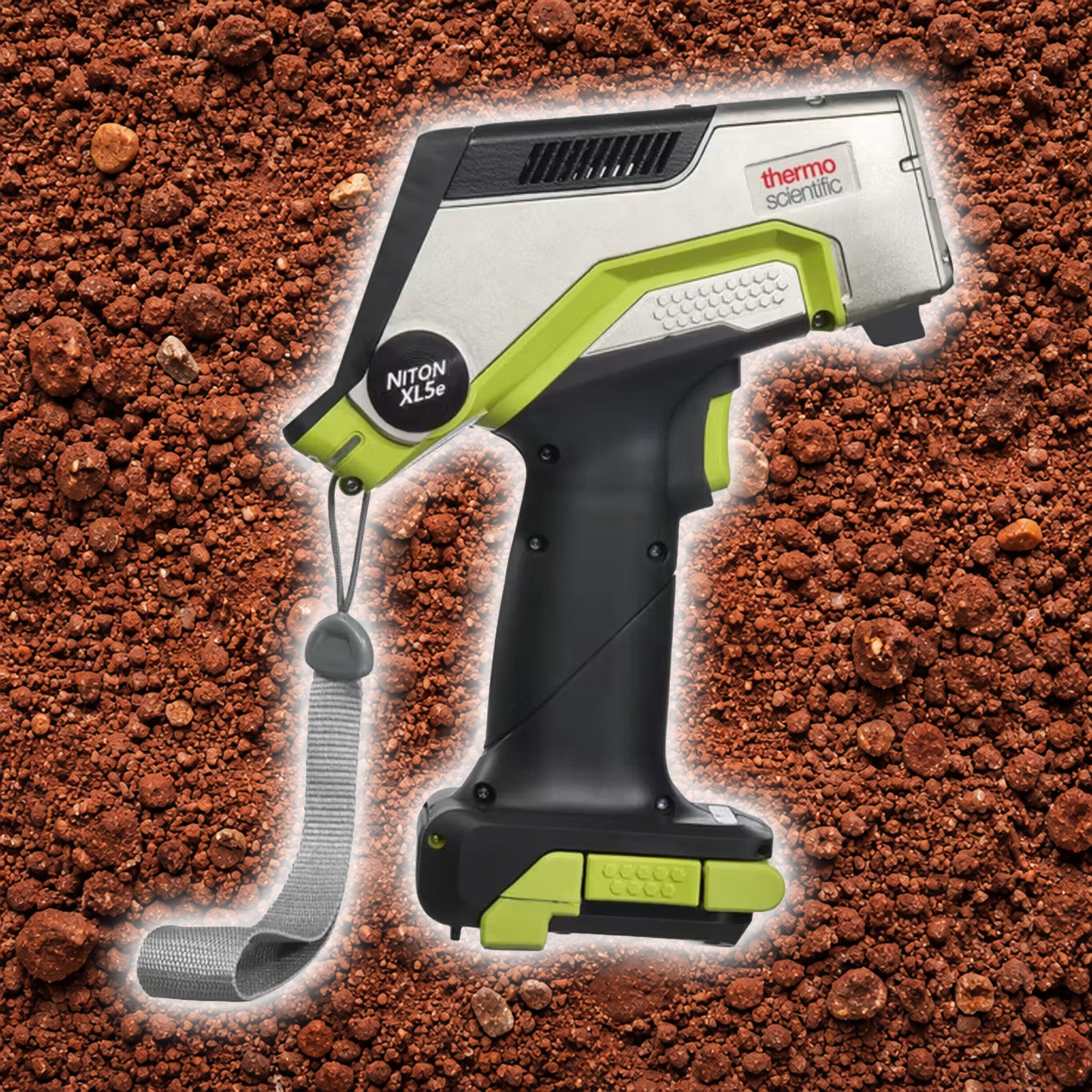
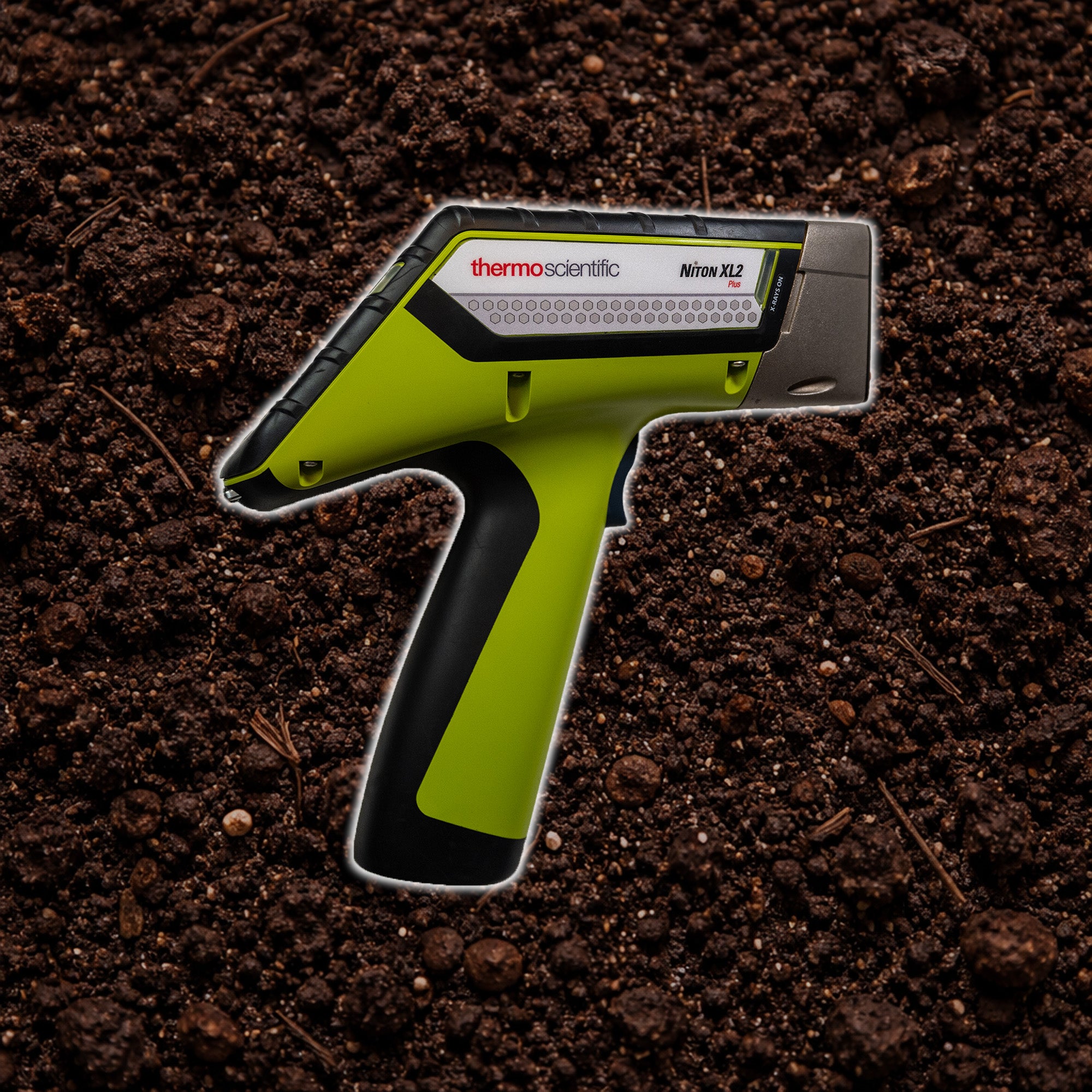
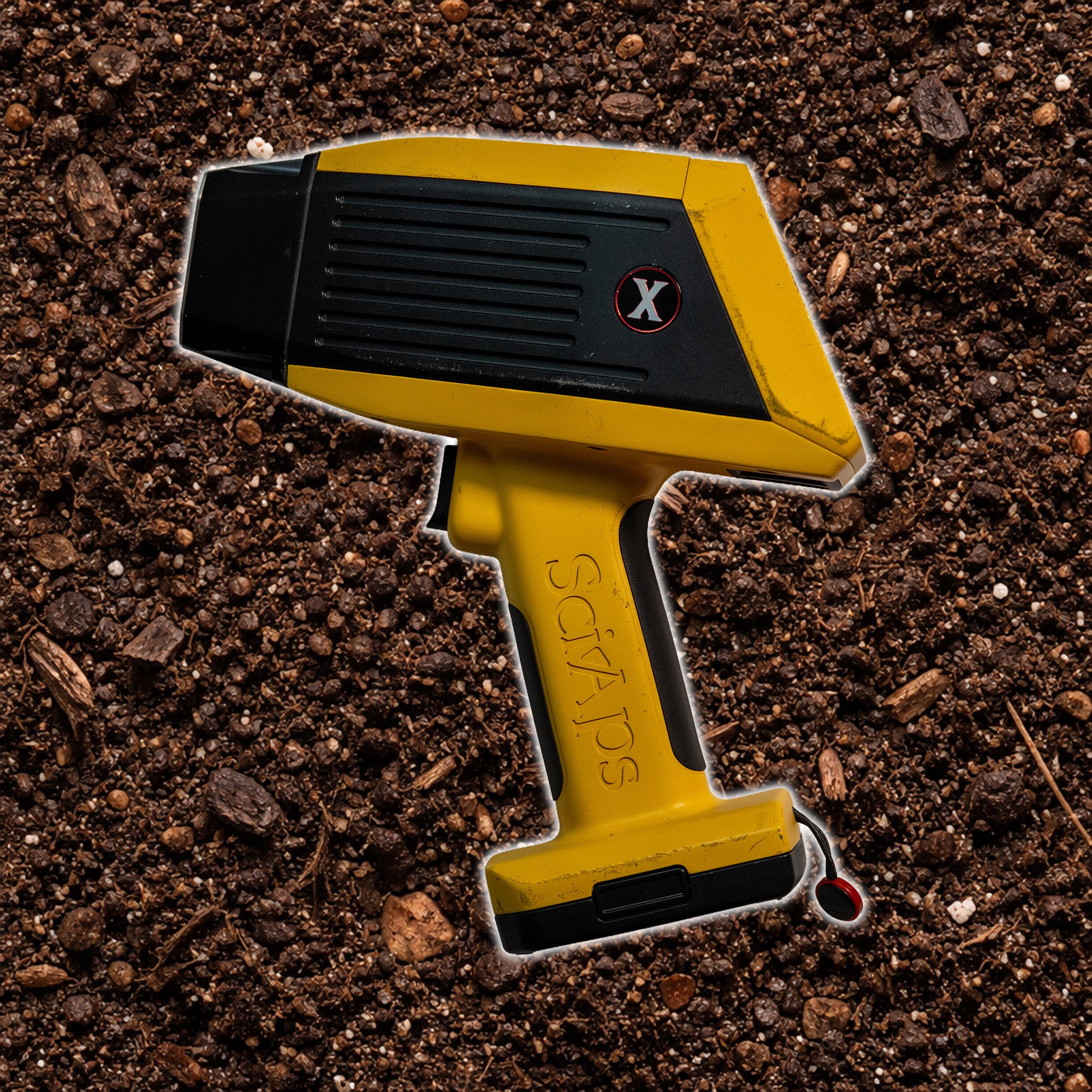
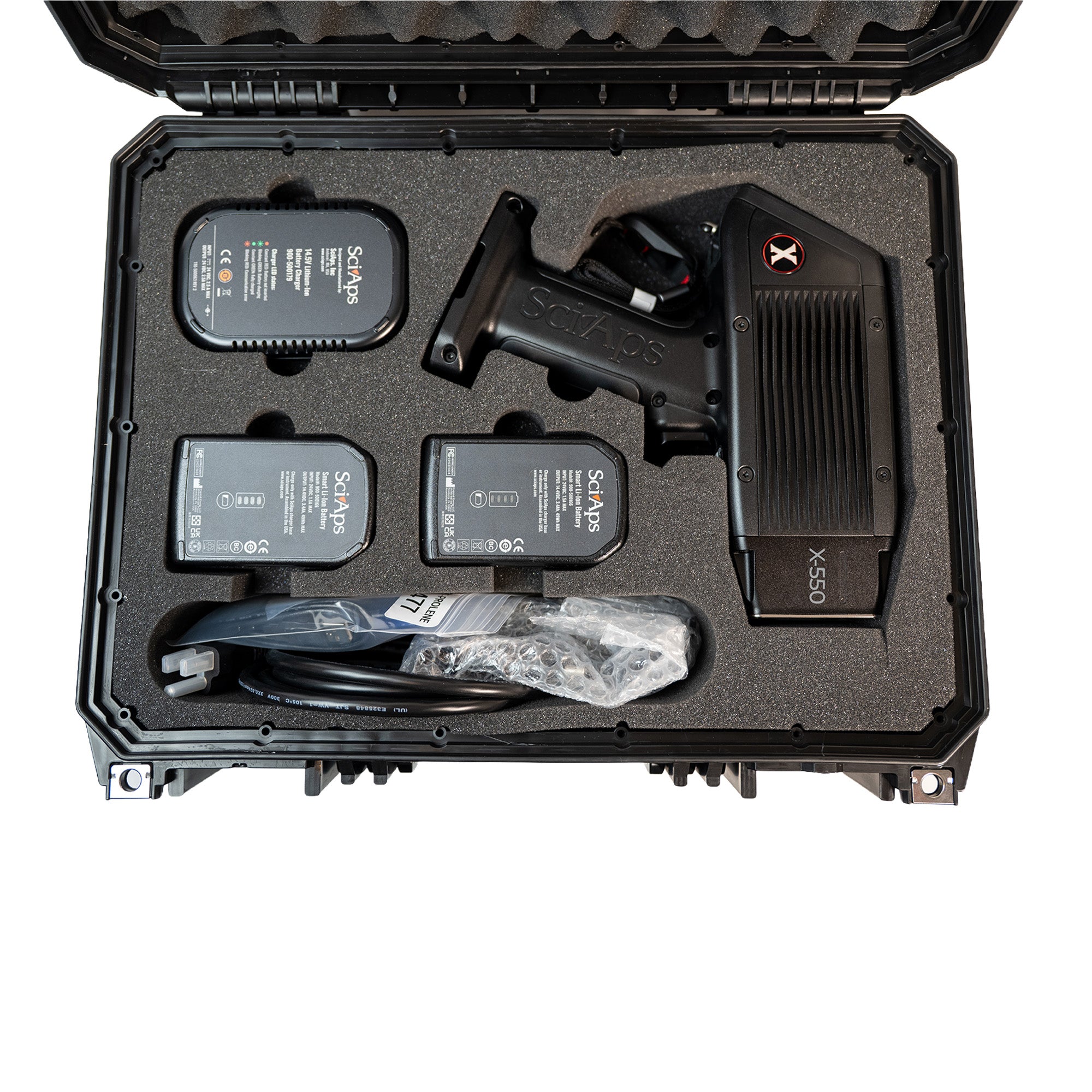
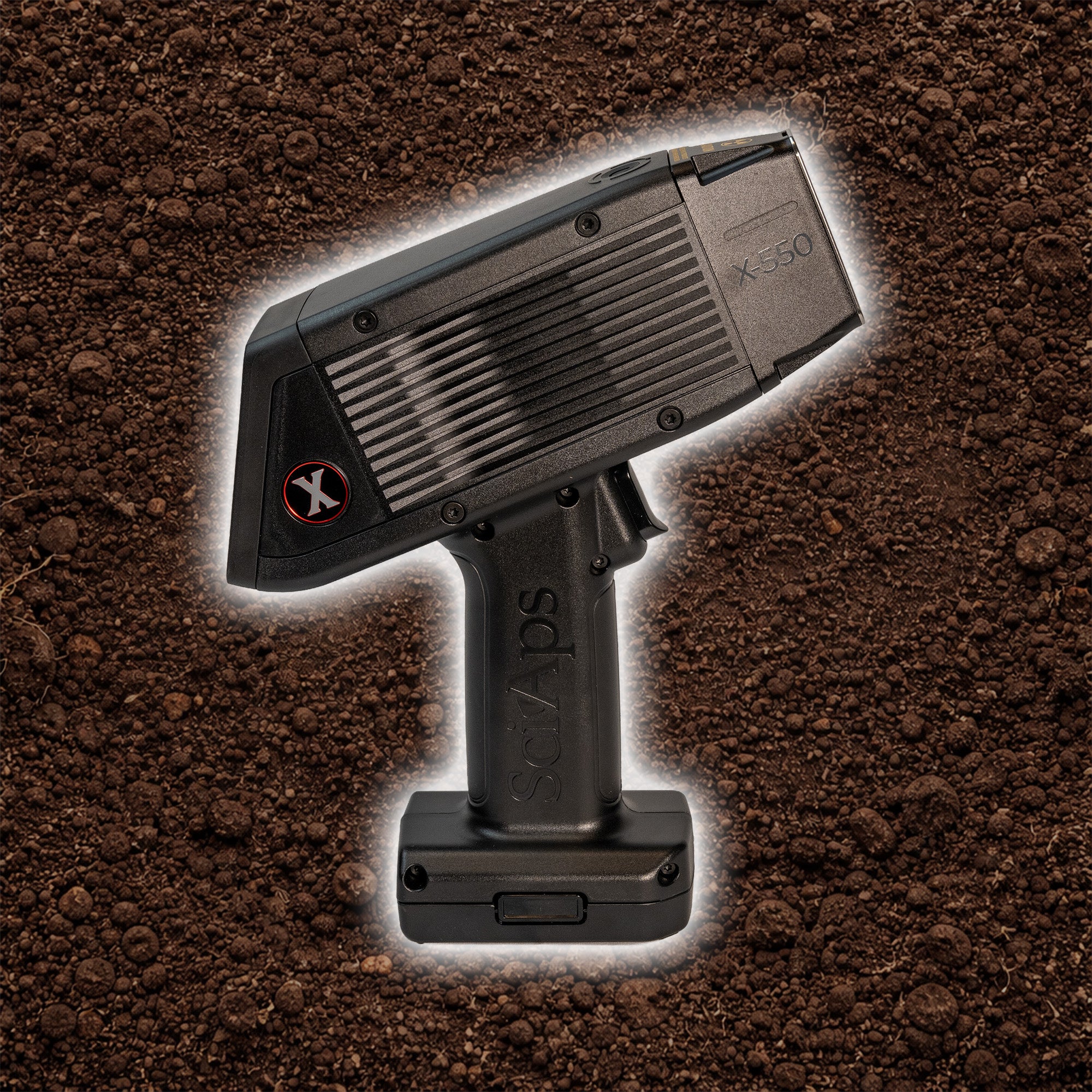
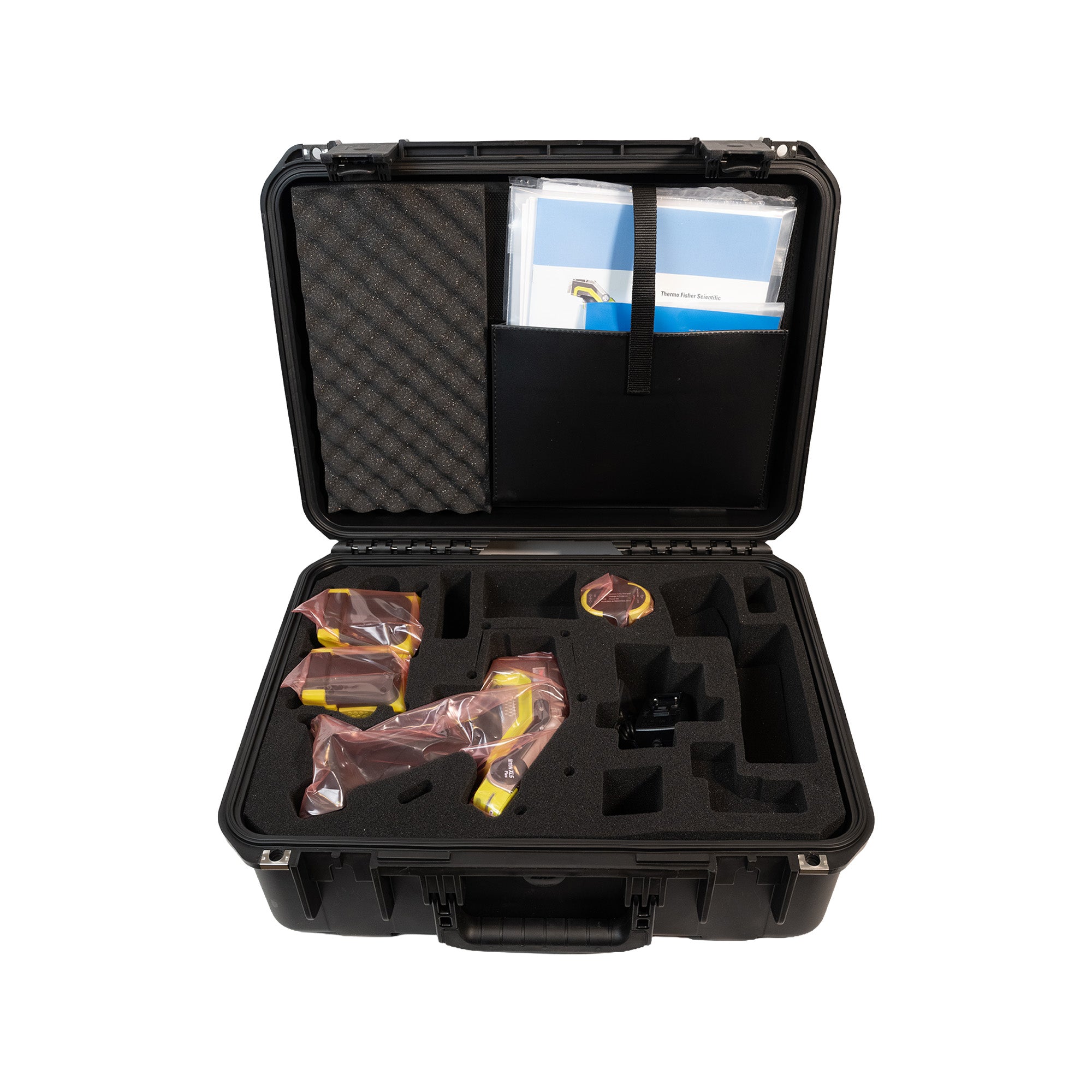
The following handheld XRF analyzers are commonly used for soil contamination screening and environmental field applications. Selection depends on analytical requirements, workflow preferences, and site conditions.
FAQ – Soil Contamination Testing & Handheld XRF
How is soil contamination tested?
Soil contamination testing typically involves a combination of field screening and laboratory analysis. Handheld XRF is commonly used for rapid screening, while laboratory methods provide confirmatory results.
Can handheld XRF analyzers detect RCRA metals in soil?
Handheld XRF analyzers are widely used to screen for several RCRA metals in soil, including lead, arsenic, chromium, cadmium, barium, and silver. These instruments provide rapid field-based elemental results that support site assessment and decision-making workflows.
Is handheld XRF accepted for environmental testing?
Handheld XRF is widely used for environmental screening and is referenced in EPA Method 6200 when applied with appropriate quality controls.
When is laboratory testing required?
Laboratory testing is generally required for regulatory reporting, trace-level analysis, and confirmation of field screening results.
How accurate is handheld XRF for soil analysis?
Accuracy depends on calibration, soil matrix, and sample preparation. When properly applied, handheld XRF provides reliable screening data to support field decisions.
Need help selecting the right handheld XRF analyzer for soil contamination testing?
Request a quote or application consultation to discuss your project requirements.