

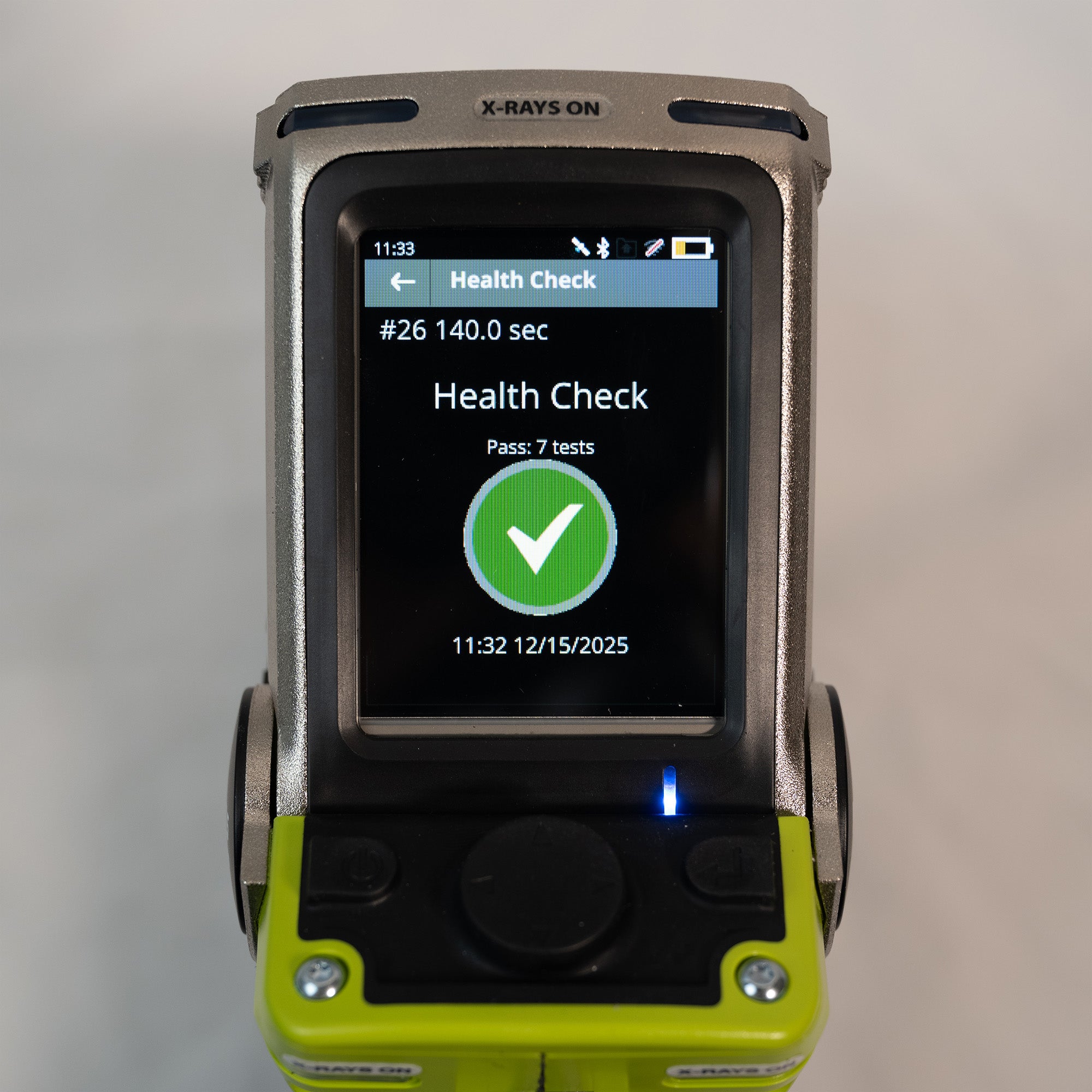


Description
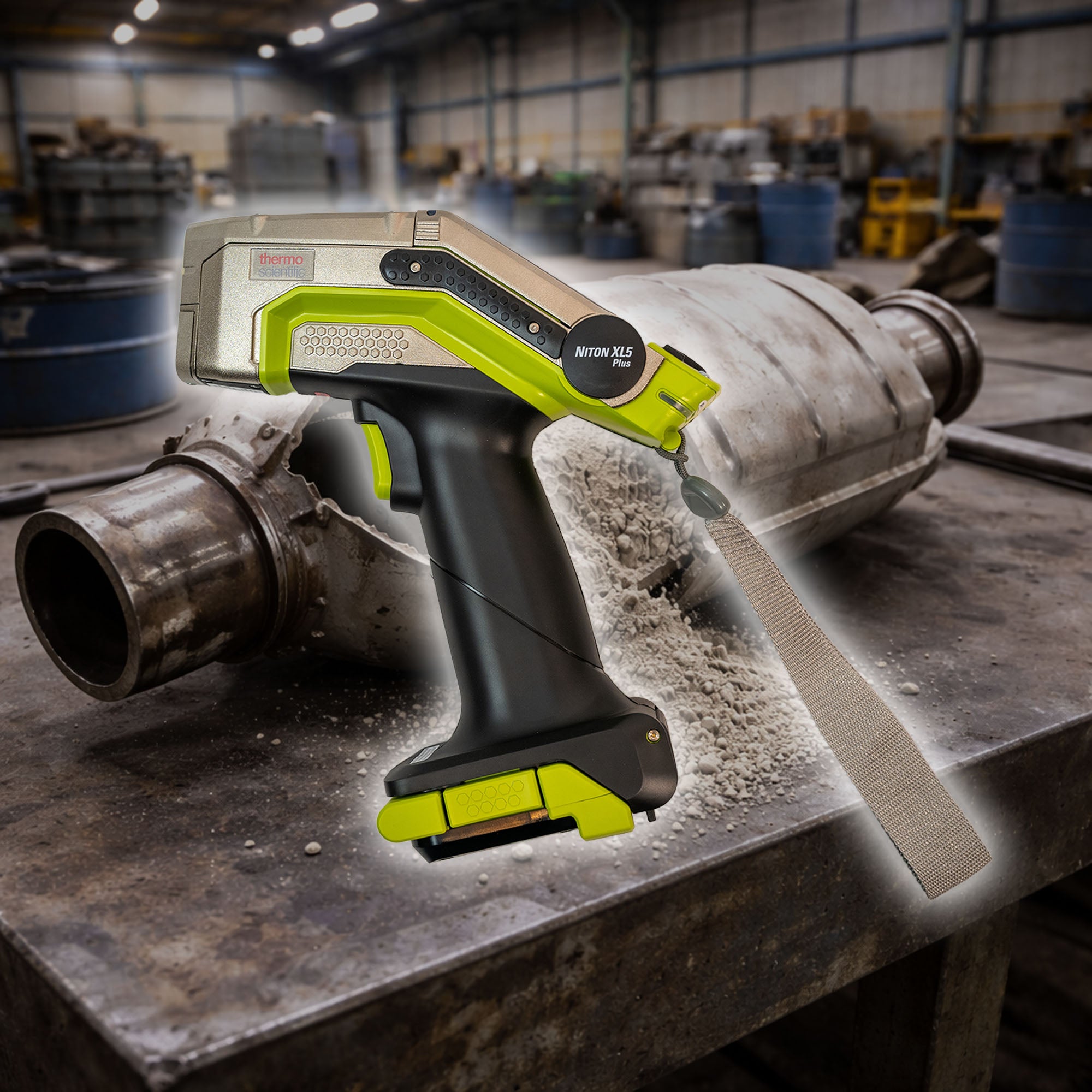
The Niton XL5 Plus Handheld XRF Analyzer is a top-tier solution for catalytic converter testing, analysis, and recycling, delivering high-sensitivity measurement of platinum (Pt), palladium (Pd), and rhodium (Rh).
This pre-owned unit provides advanced performance for catalytic converter value testing, allowing recyclers and buyers to evaluate material, detect inconsistencies, and make confident purchasing decisions in real time.
With fast test times and strong precision across variable catalyst compositions, the XL5 Plus is built for demanding catalytic converter recycling workflows.
Accurate PGM Analysis for Catalytic Converter Value
The value of a catalytic converter is driven entirely by its platinum group metal (PGM) content, which can vary significantly between units—ranging from under $100 to over $1000 depending on composition .
Because of this variability, real-time, accurate measurement of:
- Platinum (Pt)
- Palladium (Pd)
- Rhodium (Rh)
is critical to:
- Pay the correct price for incoming material
- Identify high-value converters or blends
- Detect adulterated or mixed material
Handheld XRF allows you to perform this analysis instantly, without waiting for lab results.
High-Sensitivity Platinum, Palladium, and Rhodium Detection
The XL5 Plus is designed for high-performance catalytic converter analysis, offering excellent sensitivity and precision across a wide range of catalyst compositions.
Typical Limits of Detection (3σ)
- Platinum (Pt): ~9 ppm
- Palladium (Pd): ~3 ppm
- Rhodium (Rh): ~3 ppm
These detection limits support accurate catalytic converter value testing, especially when working with lower-grade material or blended catalyst samples.
Proven Accuracy Against Laboratory Methods
Testing across 120 catalytic converter samples shows excellent correlation between handheld XRF results and laboratory methods (fire assay + ICP), with:
- ~5.0% average difference for Pt
- ~3.9% for Pd
- ~2.9% for Rh
This level of agreement demonstrates that handheld XRF is a reliable tool for real-time catalytic converter analysis, even across highly variable materials.
From Incoming Material to Catalyst Powder Analysis
Catalytic converter recycling typically involves:
- Decanning the converter
- Crushing and milling the ceramic substrate
- Blending and homogenizing material
- Testing using XRF in a sample cup
Prepared material is typically reduced to <250 µm particle size before analysis to improve consistency .
The XL5 Plus supports:
Intact Converter Testing
Fast screening for purchasing decisions and incoming inspection
Catalyst Powder Analysis
More consistent and repeatable results using prepared samples and test stand setups
Fast, High-Throughput Catalytic Converter Testing
- Typical test time: ~30 seconds
- Rapid results for real-time buying decisions
- High throughput for large-volume operations
Higher power and detector performance allow for:
- Shorter test times at equal precision
- Improved sensitivity to PGMs
- More consistent results across variable materials
Save on a Proven High-Performance XRF Analyzer
A pre-owned XL5 Plus provides:
- High-end performance for catalytic converter testing
- Lower upfront investment
- Immediate availability vs long lead times
This makes it an ideal option for operations needing high-sensitivity catalytic converter analysis without the cost of a new system.
Optimized for Catalytic Converter and Scrap Analysis
The XL5 Plus includes Automotive Catalyst Mode, which uses a fundamental parameters (FP) approach to account for complex and variable catalyst compositions .
This allows for more accurate measurement of Pt, Pd, and Rh across real-world materials.
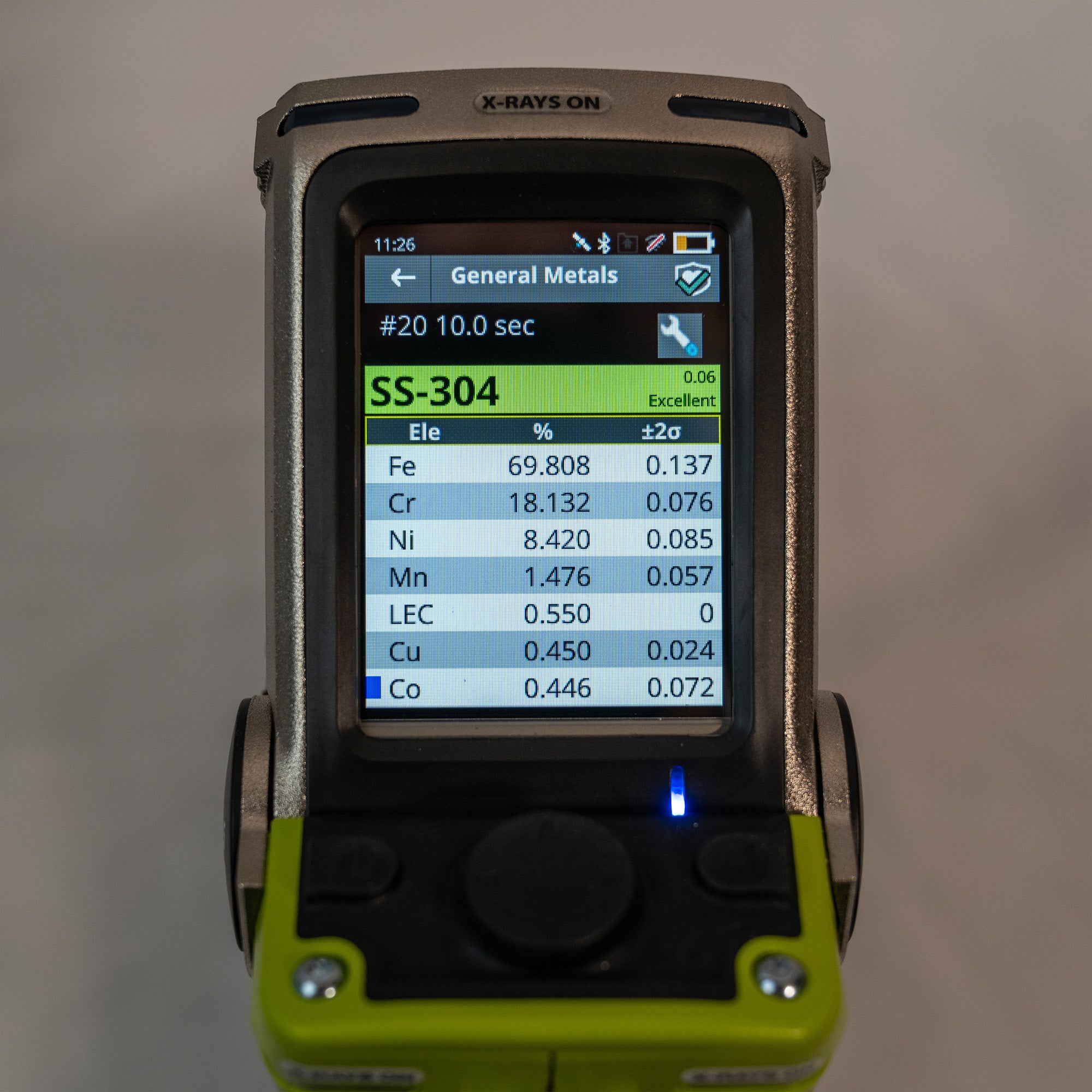
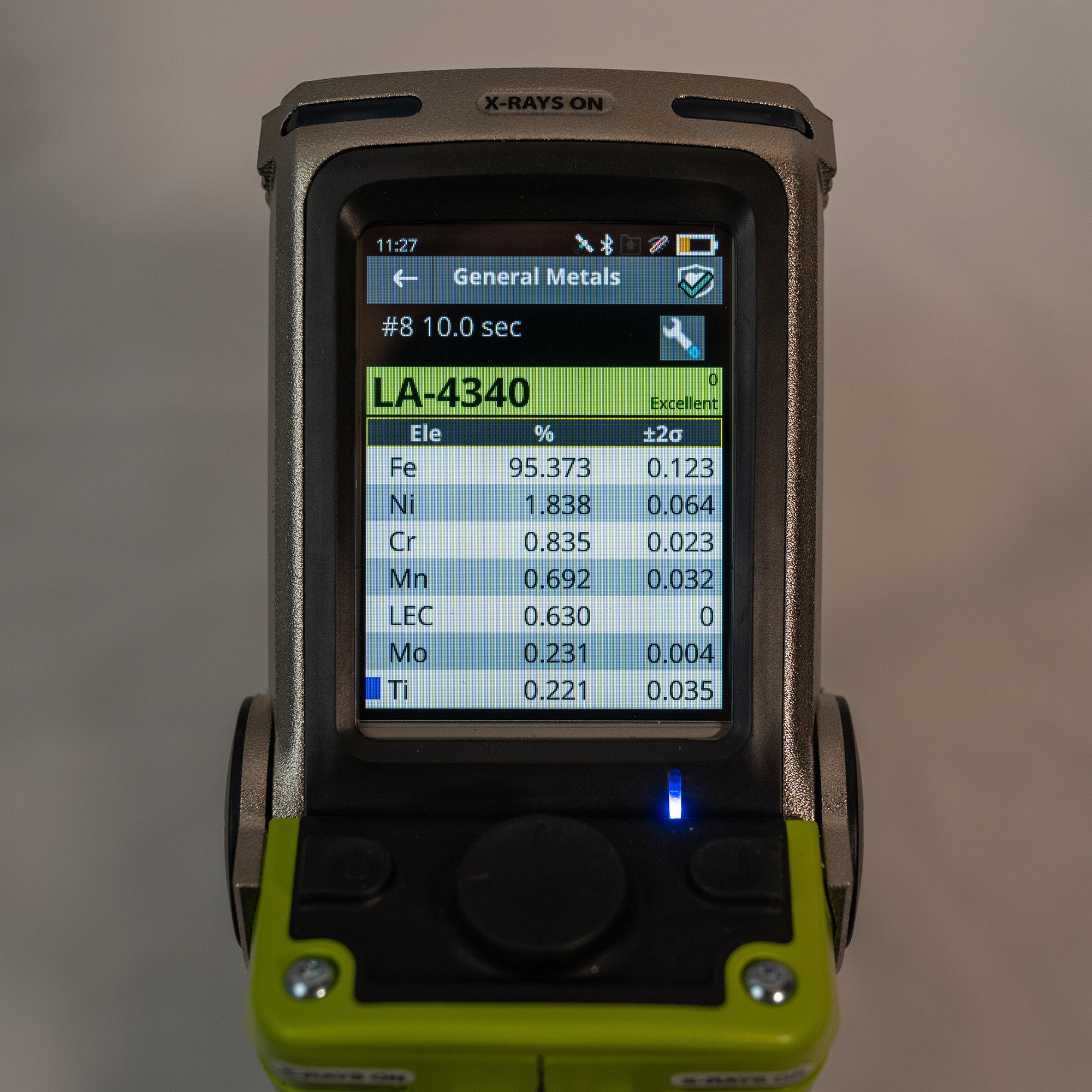
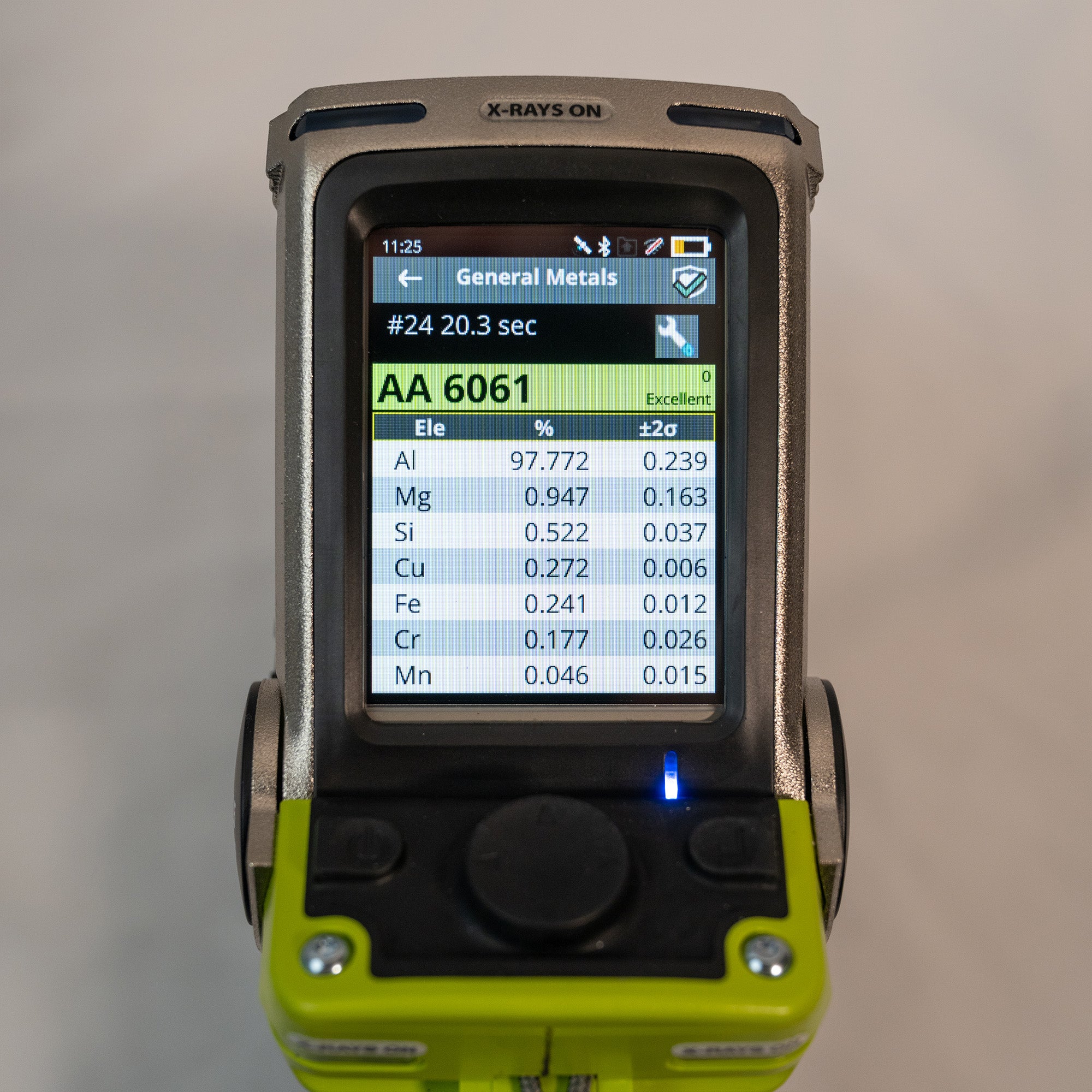
Additional modes can be configured to support broader scrap and alloy analysis where needed.
Is the XL5 Plus Right for Your Operation?
This analyzer is ideal for:
- Catalytic converter recyclers handling high volumes
- Precious metals buyers requiring higher sensitivity
- Operations performing catalyst powder analysis
- Teams needing accurate, repeatable PGM measurement
Get High-Sensitivity Catalytic Converter Testing
Looking for a high-performance XRF analyzer for catalytic converter recycling?
Resources