Catalytic Converter Testing with Handheld XRF Analyzers
6 products
Showing 1 - 6 of 6 products
Catalytic converter testing is centered around one question: how much platinum, palladium, and rhodium are inside.
Handheld XRF analyzers provide a fast, non-destructive way to screen catalytic converters and estimate precious metal content in seconds. This allows recyclers, buyers, and processors to make informed purchasing decisions without waiting for laboratory results.
Whether you are buying scrap converters, processing material, or verifying loads, XRF gives you immediate insight into catalyst composition.
What Is Measured in a Catalytic Converter?
Catalytic converters contain platinum group metals (PGMs), which drive their value:
- Platinum (Pt)
- Palladium (Pd)
- Rhodium (Rh)
These elements are embedded in the ceramic catalyst substrate and vary significantly depending on the converter type, manufacturer, and application.
The goal of catalytic converter testing is to quickly estimate the concentration of these metals to determine relative value.
→ Learn More About Precious Metals Testing
How to Test Catalytic Converters with XRF
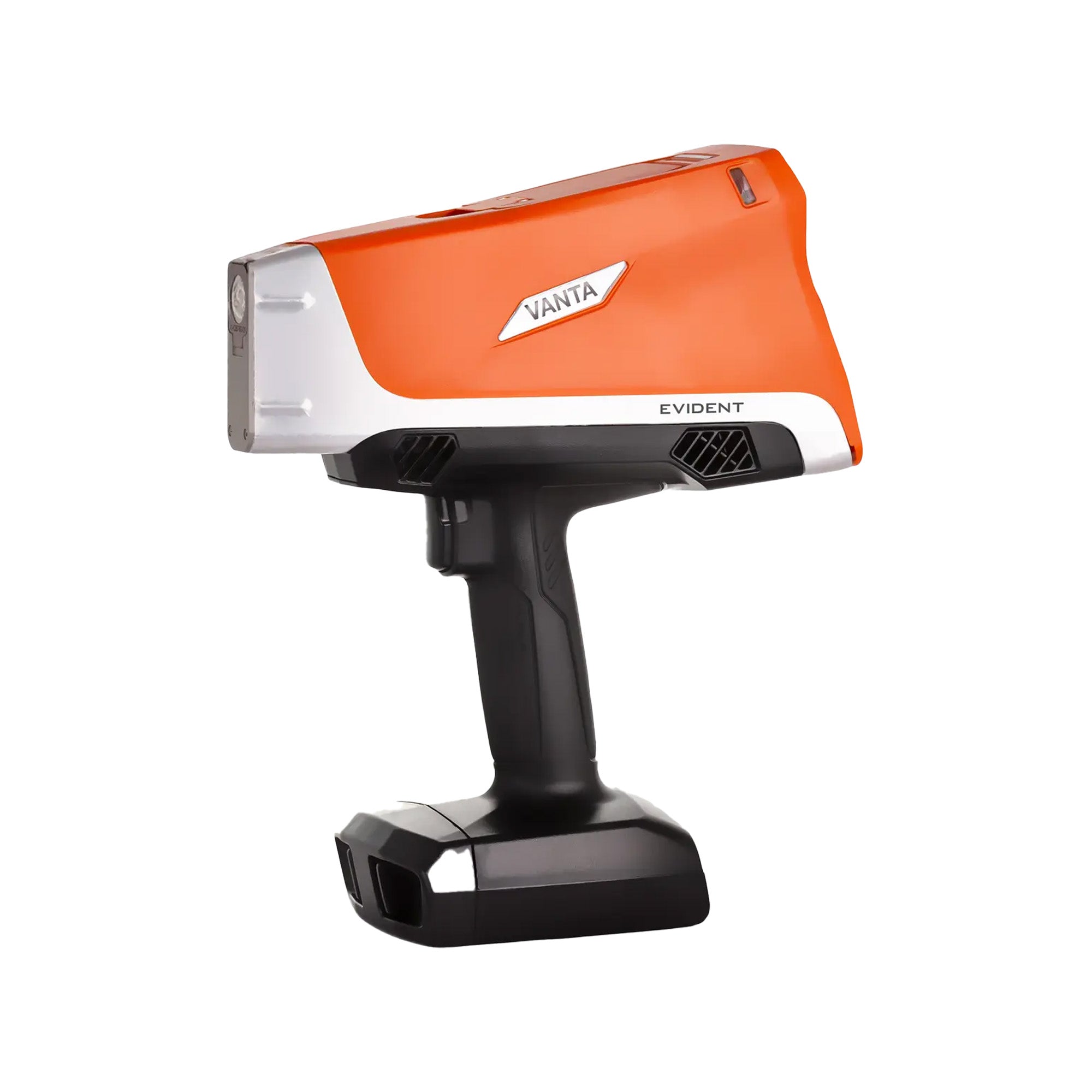
Handheld XRF analyzers are used for rapid screening of catalytic converters in the field or at the yard.
Typical process:
- The converter is opened (decanned)
- Catalyst material is crushed into a fine powder
- A sample of the Catalyst material is placed into a sample cup with XRF film
- The analyzer is placed directly on the material
- Results for Pt, Pd, and Rh are displayed within seconds
This allows for fast sorting and grading without destructive lab analysis.
→ View Handheld XRF Analyzers for Sale
→ Rent an XRF Analyzer
Why Use Handheld XRF for Catalytic Converter Recycling?
Handheld XRF analyzers are widely used for catalytic converter testing, analysis, and recycling because they provide fast insight into platinum (Pt), palladium (Pd), and rhodium (Rh) content—the primary drivers of catalytic converter value.
In catalytic converter recycling, pricing is directly tied to precious metal content. Using a handheld XRF analyzer for catalytic converter analysis allows recyclers, buyers, and processors to quickly evaluate material and make informed decisions in real time.
Immediate Catalytic Converter Value Assessment
Perform catalytic converter value testing in seconds by measuring platinum, palladium, and rhodium content directly in the field. This allows you to estimate relative value before purchasing or processing material.
Faster Catalytic Converter Testing and Buying Decisions
With portable XRF catalytic converter testing, results are available instantly. This eliminates the need to rely on supplier claims or wait for laboratory assays, enabling faster and more confident buying decisions.
Detect Fake or Low-Grade Catalytic Converters
Use XRF for catalytic converter verification to identify empty, low-grade, or tampered converters. Detect inconsistencies in PGM content and avoid costly purchasing mistakes in high-volume recycling environments.
Sort and Grade Catalytic Converters by Metal Content
Group material using catalytic converter analysis with handheld XRF to separate converters by approximate platinum, palladium, and rhodium concentrations. This improves sorting efficiency and downstream refining outcomes.
Support High-Throughput Catalytic Converter Recycling Operations
Designed for real-world use, handheld XRF analyzers for catalytic converter recycling provide rapid, repeatable results that scale with high-volume purchasing, processing, and material evaluation workflows.
In a market driven by precious metal recovery and catalytic converter value, fast, reliable, and non-destructive testing is essential. Handheld XRF provides the speed and insight needed to stay competitive.
Catalyst Powder Analysis vs Intact Catalytic Converter Testing
Catalytic converter testing can be performed either on the intact converter or on processed catalyst material. Understanding the difference is important for accurate catalytic converter analysis and value estimation.
Testing Intact Catalytic Converters
Using a handheld XRF analyzer for catalytic converter testing on an intact unit provides a fast, non-destructive way to screen material. This method is ideal for:
- Quick purchasing decisions
- Incoming material inspection
- High-volume catalytic converter recycling environments
However, results can vary depending on where the measurement is taken, since platinum, palladium, and rhodium are not always evenly distributed throughout the catalyst.
Catalyst Powder Analysis (Homogenized Samples)
For more consistent results, many recyclers process the material into a powder before testing.
This typically involves:
- Decanning the catalytic converter
- Crushing or grinding the ceramic substrate
- Homogenizing the material
- Performing XRF catalyst powder analysis
This approach improves repeatability and provides a more representative measurement of platinum (Pt), palladium (Pd), and rhodium (Rh) content.
When to Use Each Method
Use intact testing for fast catalytic converter screening and sorting
Use powder analysis for more consistent catalytic converter value testing
Most operations use both methods together—screening material quickly with handheld XRF, then refining their analysis with processed samples when needed.
XRF vs Laboratory Assay for Catalytic Converters
Handheld XRF is a screening tool, not a full laboratory assay.
- XRF provides fast, non-destructive analysis
- Lab methods provide full digestion and precise quantification
Most recyclers use XRF to:
- Screen incoming material
- Make purchasing decisions
- Pre-sort before refining
Then rely on assay results for final settlement.
This combination balances speed and accuracy in real-world operations.
Choosing the Right XRF Analyzer for Catalytic Converter Testing
Selecting the right handheld XRF analyzer for catalytic converter testing and analysis comes down to understanding how performance, speed, and setup impact your ability to measure platinum group metals (PGMs) and make accurate value-based decisions.
Sensitivity to Platinum Group Metals (PGMs)
Platinum group metals—platinum (Pt), palladium (Pd), and rhodium (Rh)—are relatively easy to measure with handheld XRF analyzers for catalytic converter testing. Virtually any modern handheld XRF will detect these elements effectively when using the correct application mode.
However, performance varies by instrument design:
- Entry-level XRF analyzers typically use lower-powered X-ray tubes and smaller detectors, which can limit sensitivity and precision at lower concentrations.
- Premium handheld XRF analyzers feature higher-powered X-ray tubes and large-area detectors, delivering improved count rates, better precision, and more reliable results—especially for low-level rhodium detection.
For catalytic converter recycling, where small differences in PGM content can significantly impact value, higher-performance systems provide a measurable advantage.
Speed of Catalytic Converter Analysis
One of the biggest advantages of portable XRF catalytic converter testing is speed. Most handheld XRF analyzers deliver results in seconds.
Typical test times:
- Can get results in as low as a few seconds
- Typical 30–60 seconds per sample depending on the analyzer and mode
- Longer test times improve precision and repeatability
While proper sample preparation, such as grinding and homogenizing catalyst material, adds time to the overall process, it significantly improves data quality and should be considered part of accurate catalytic converter value testing.
Portability vs Desktop Operation
Handheld XRF analyzers are lightweight and designed for use directly in the yard, shop, or field. They are ideal for:
- Incoming catalytic converter inspection
- Quick screening of intact units
- On-the-spot purchasing decisions
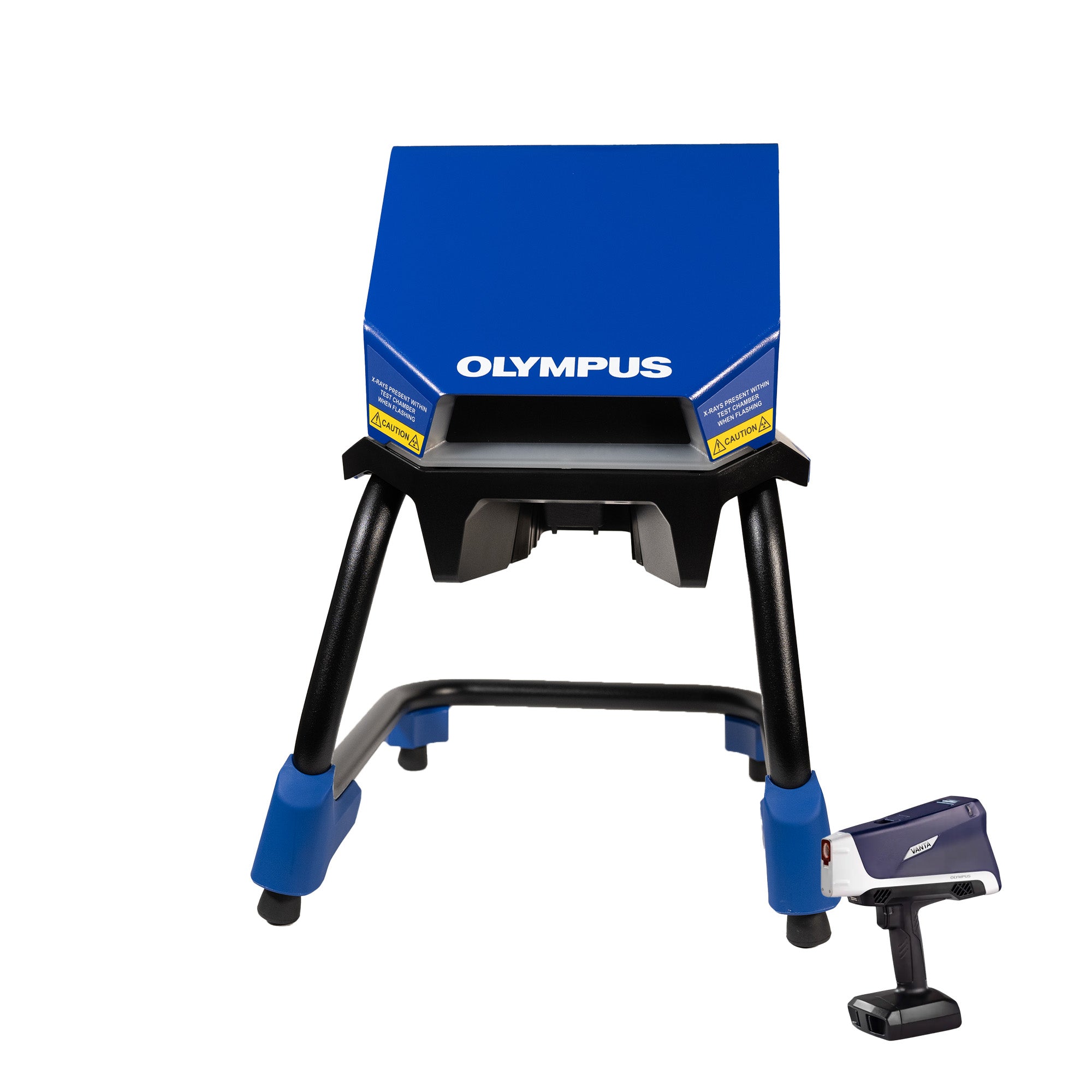
However, most catalytic converter recyclers rely on test stand setups for daily analysis, especially when working with catalyst powder.
Typical workflow:
- Samples are prepared and tested in a controlled environment using a test stand
- The analyzer is used in handheld mode for occasional spot checks in the shop
This hybrid approach balances portability with improved precision and repeatability for catalyst powder analysis.
Calibration and Application Modes
handheld XRF analyzers do not need to be calibrated frequently like most benchtop XRF analyzers. They run on a Fundamental Parameters or "FP" calibration. This will save you setup time and long term headache by having a solution that just powers on and starts working in seconds.
Modern handheld XRF analyzers often include dedicated catalytic converter or precious metals modes designed to characterize PGM content in recycled material.
For maximum value, it is important to expand beyond catalyst analysis:
- Use catalytic converter or precious metals mode for Pt, Pd, and Rh testing
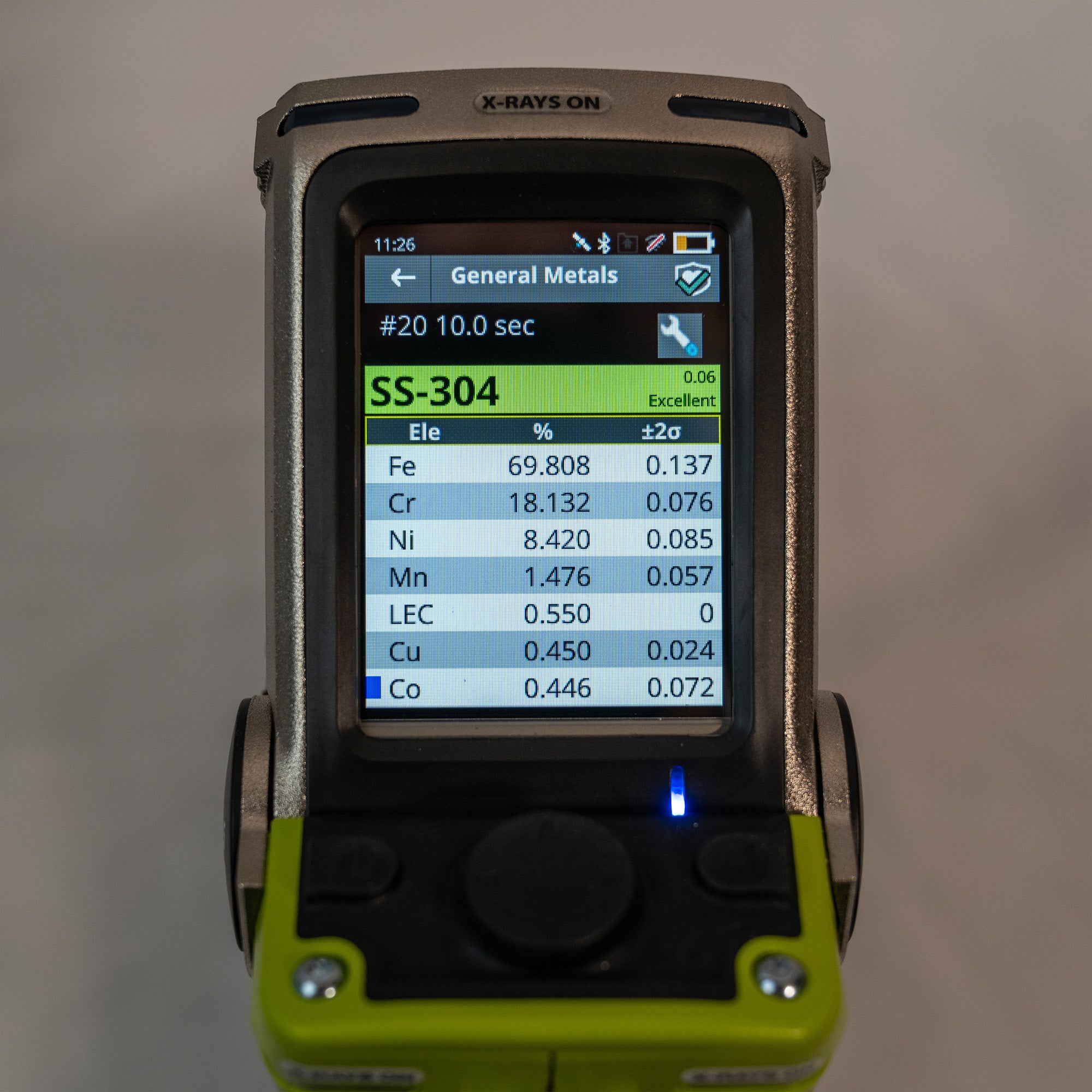
- Use alloy mode to analyze scrap metal generated during processing
Catalytic converter recycling operations frequently generate valuable scrap streams, including:
- Stainless steels (409, 439, 304, 316)
- Aluminum alloys
- Titanium alloys
Sorting these materials with XRF ensures you capture the full value of your operation—not just the catalyst.
Complete XRF Setup for Catalytic Converter Testing
Selecting the right handheld XRF analyzer is only part of the solution. A complete setup is critical for consistent and accurate results in catalytic converter recycling and analysis.
Key components include:
- Test stands for stable, repeatable measurements and extended test times (shop by brand to see the test stands for each model)
- Sample cups for holding powdered catalyst material
- X-ray film to contain samples while allowing accurate analysis
These accessories are essential for safe operation, improved repeatability, and reliable catalyst powder analysis with XRF.
If you are building or upgrading a catalytic converter testing setup, we can help configure the right combination of analyzer, accessories, and application modes for your operation.
→ Request a Quote or Speak with an Expert
Explore Related XRF Applications
→ Precious Metals Testing with XRF
→ Scrap Metal Analysis with XRF
→ XRF Analyzer Rental Options
→ Handheld XRF Analyzers for Sale
Handheld XRF Analyzers for Catalytic Converter Testing
Select from industry-proven analyzers designed for fast elemental analysis:
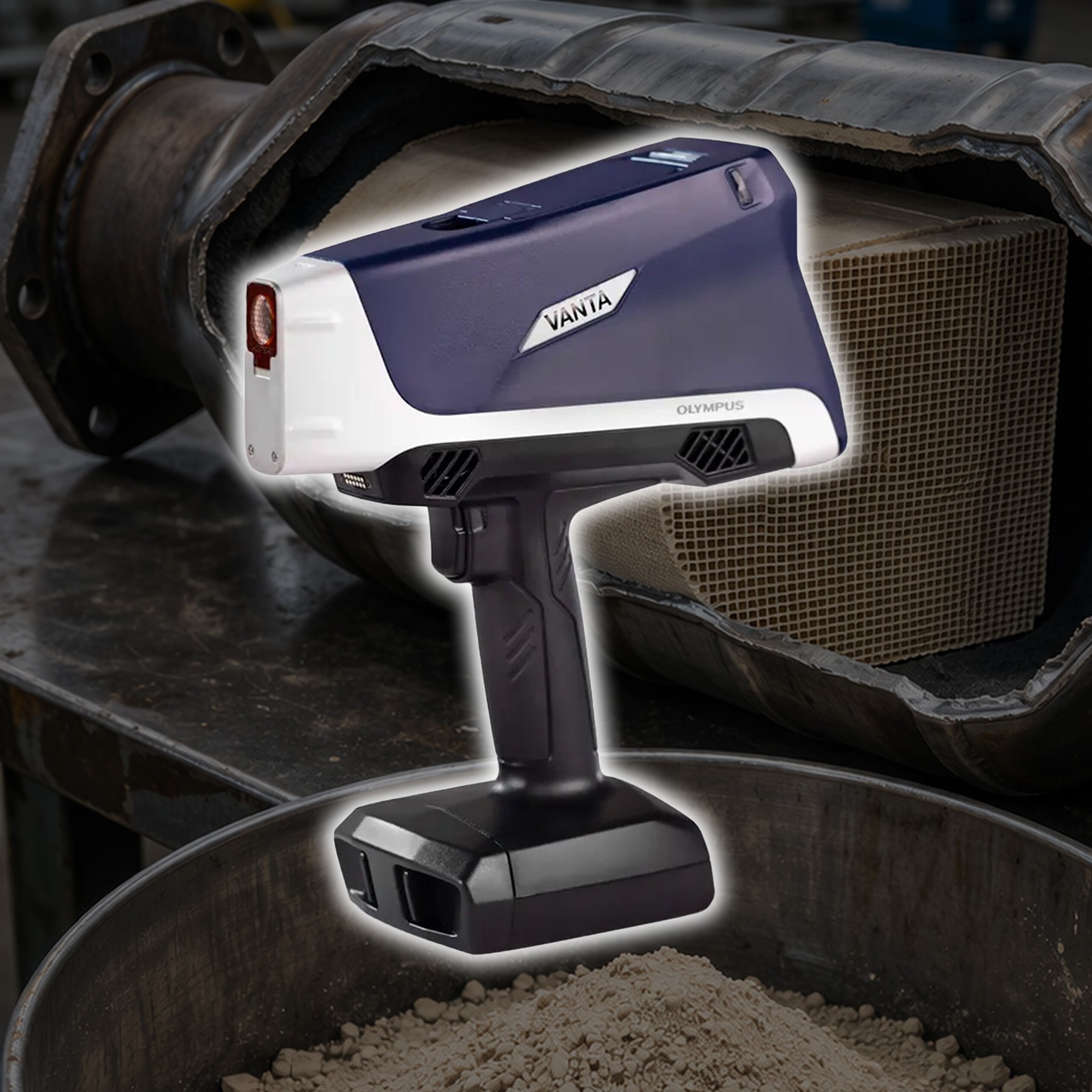
- Evident Vanta handheld XRF analyzers
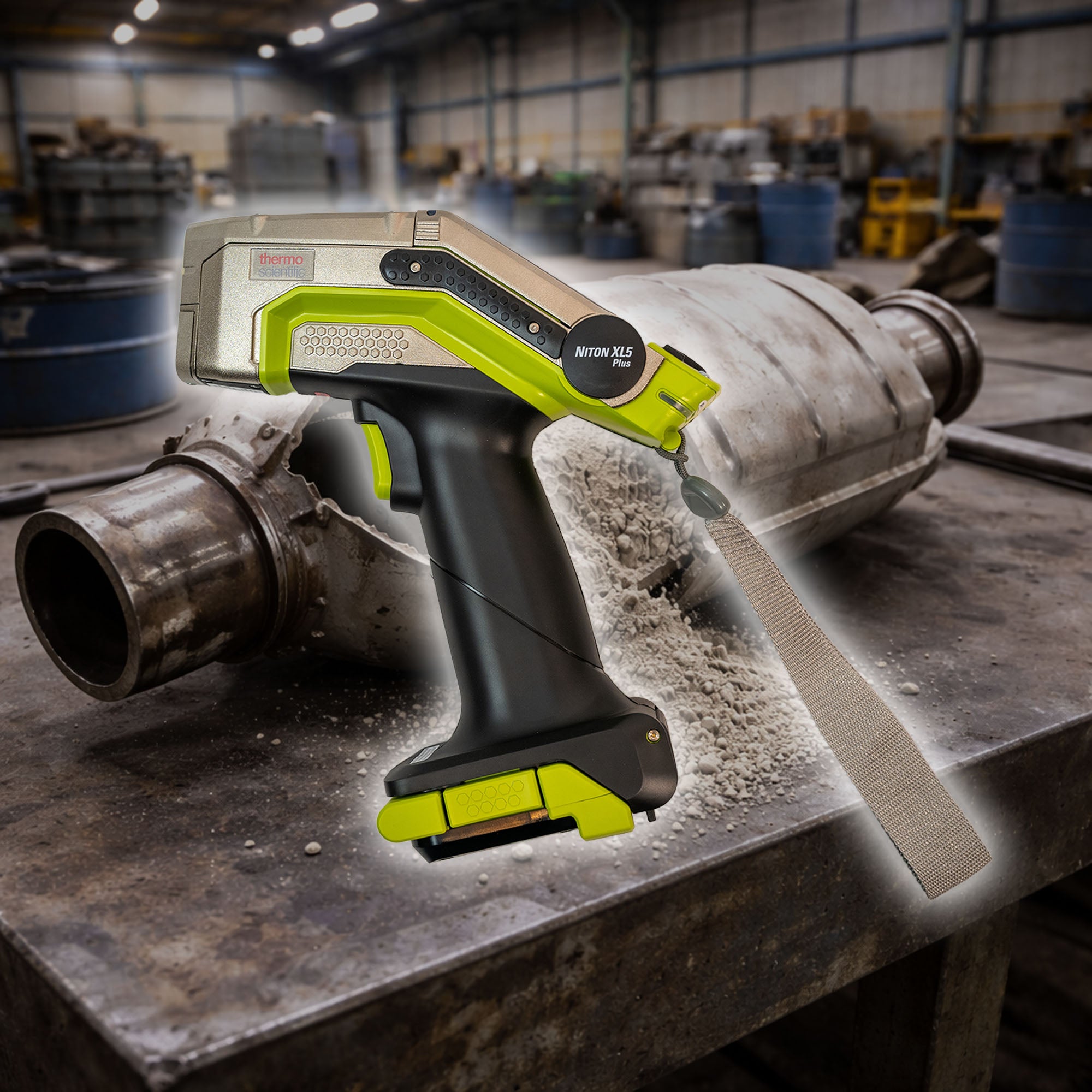
- Niton handheld XRF analyzers
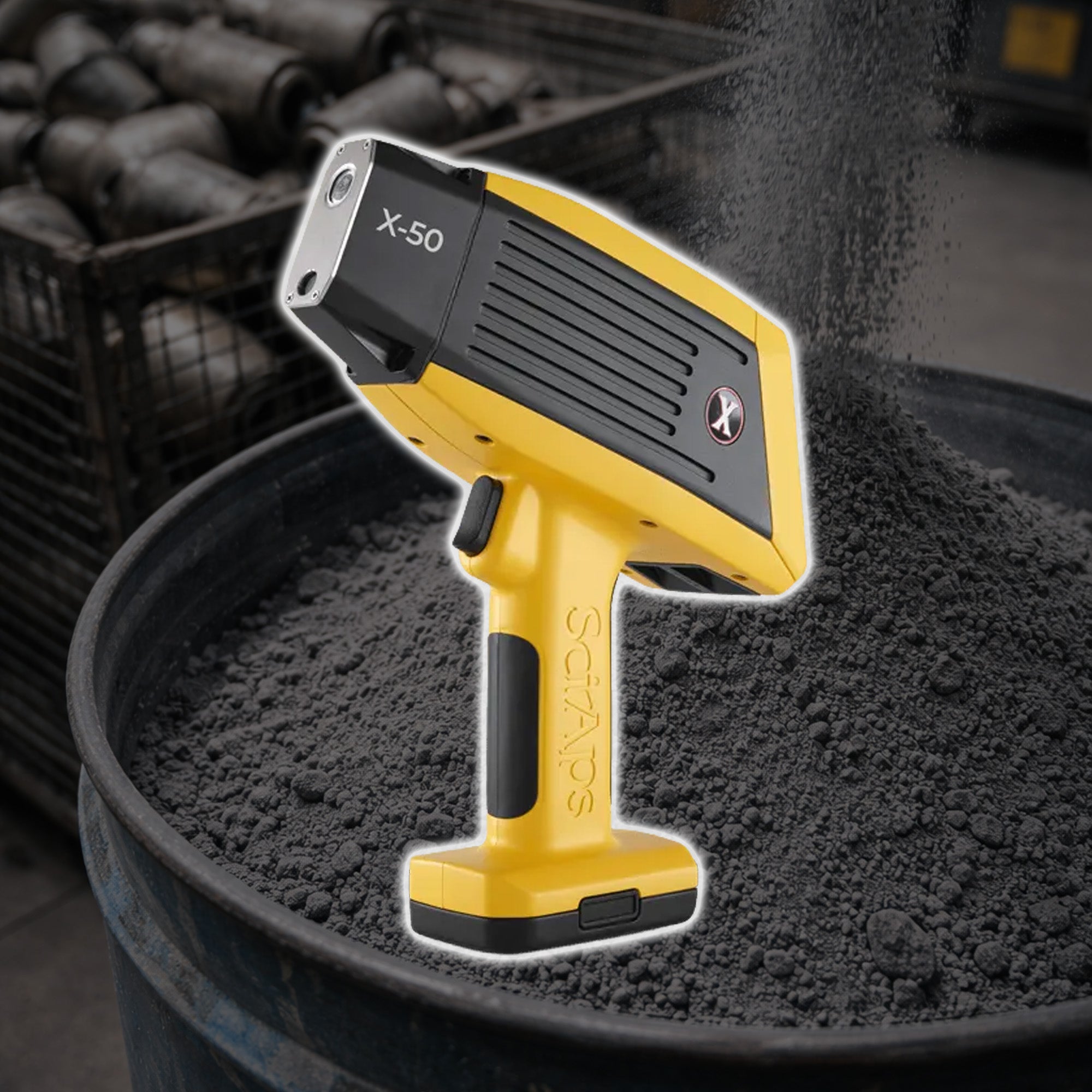
- SciAps X-Series handheld XRF analyzers
Each system offers fast detection of platinum group metals with configurations tailored to recycling and precious metals applications.