Certified Reference Materials (CRMs) for XRF, LIBS, and OES Analysis
294 products
Showing 289 - 294 of 294 products
Calibrate your XRF Gun with Alloy Geeks's Certified Reference Materials
Alloy Geek Certified Reference Materials (CRMs) are precision-characterized metal samples designed for instrument verification, calibration checks, method validation, and operator confidence when using:
- Handheld XRF analyzers
- Handheld LIBS analyzers
- Optical Emission Spectroscopy (OES) systems
This collection supports industrial, laboratory, and field-based metal analysis across a wide range of alloy families, enabling consistent, defensible results in production, inspection, QA/QC, and research environments.
What Are Certified Reference Materials?
A Certified Reference Material is a metal sample with a known and documented chemical composition, established through controlled analytical methods and traceable measurement practices.
CRMs are used to:
- Verify analyzer accuracy
- Check instrument drift
- Validate analytical methods
- Support quality systems and audits
- Improve confidence in reported results
Unlike unknown samples, CRMs provide a ground truth against which analytical performance can be assessed.
Why CRMs Matter for Handheld & Laboratory Metal Analysis
Even the most advanced analyzers (XRF, LIBS, or OES) require routine verification to ensure reliable performance over time.
CRMs allow technical users to:
- Confirm elemental accuracy and repeatability
- Detect calibration drift or contamination
- Compare results across instruments or operators
- Establish baseline performance for new equipment
- Support internal QA/QC procedures
For regulated industries, CRMs also help demonstrate due diligence and measurement discipline, even when formal accreditation is not required.
Supported Analytical Techniques
Handheld XRF (X-Ray Fluorescence)
CRMs are used to:
- Verify alloy identification accuracy
- Check major, minor, and trace element response
- Evaluate limits of detection for specific alloy systems
Note: Light elements such as C, B, N, and O are not measurable by XRF and should be evaluated using LIBS or OES where required.
Handheld LIBS (Laser-Induced Breakdown Spectroscopy)
CRMs support:
- Carbon and light-element verification
- Alloy grade differentiation where XRF is limited
- Method validation for ferrous and non-ferrous alloys
LIBS-specific CRMs are particularly valuable for steel chemistry confirmation and carbon equivalency checks.
Optical Emission Spectroscopy (OES)
OES CRMs are used for:
- Full elemental certification including carbon
- Laboratory-grade accuracy checks
- Production melt control and metallurgical validation
OES remains the reference method for complete alloy chemistry, and CRMs are essential for maintaining analytical integrity.
XRF Reference Material for Every Application
We stock certified reference material across the full range of alloy families and industries that rely on handheld XRF testing:
- Low Alloy Steels
- Stainless Steels
- Carbon Steels
- Nickel Alloys
- Aluminum Alloys
- Copper Alloys
- Specialty Alloys
- Mining and Mineral Exploration
- Soil and Environmental Screening
- Precious Metals
- Catalytic Converter Testing
Each CRM is selected to reflect commercially relevant compositions, not theoretical ranges.
CRM Formats Available
Depending on alloy and application, CRMs may be available as:
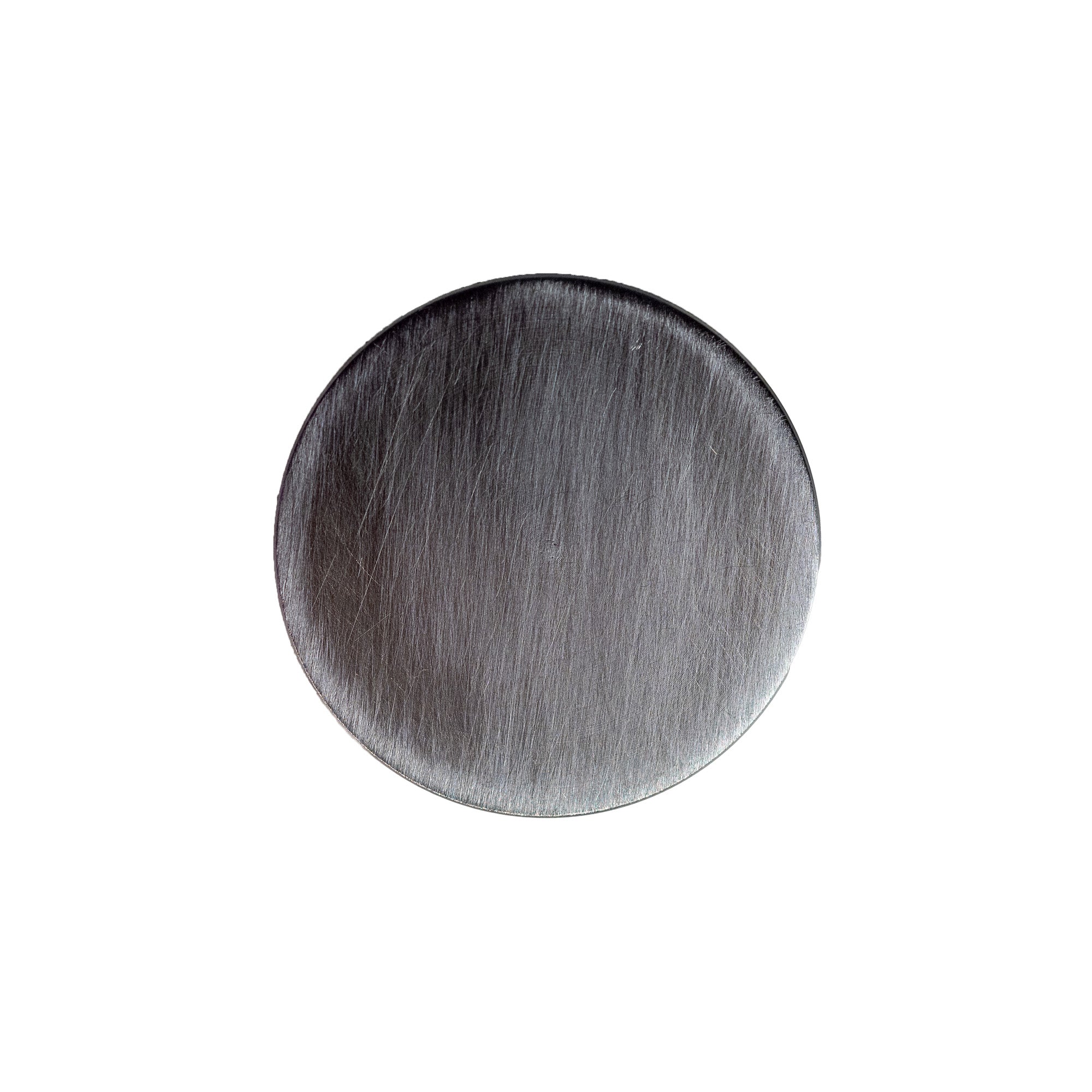
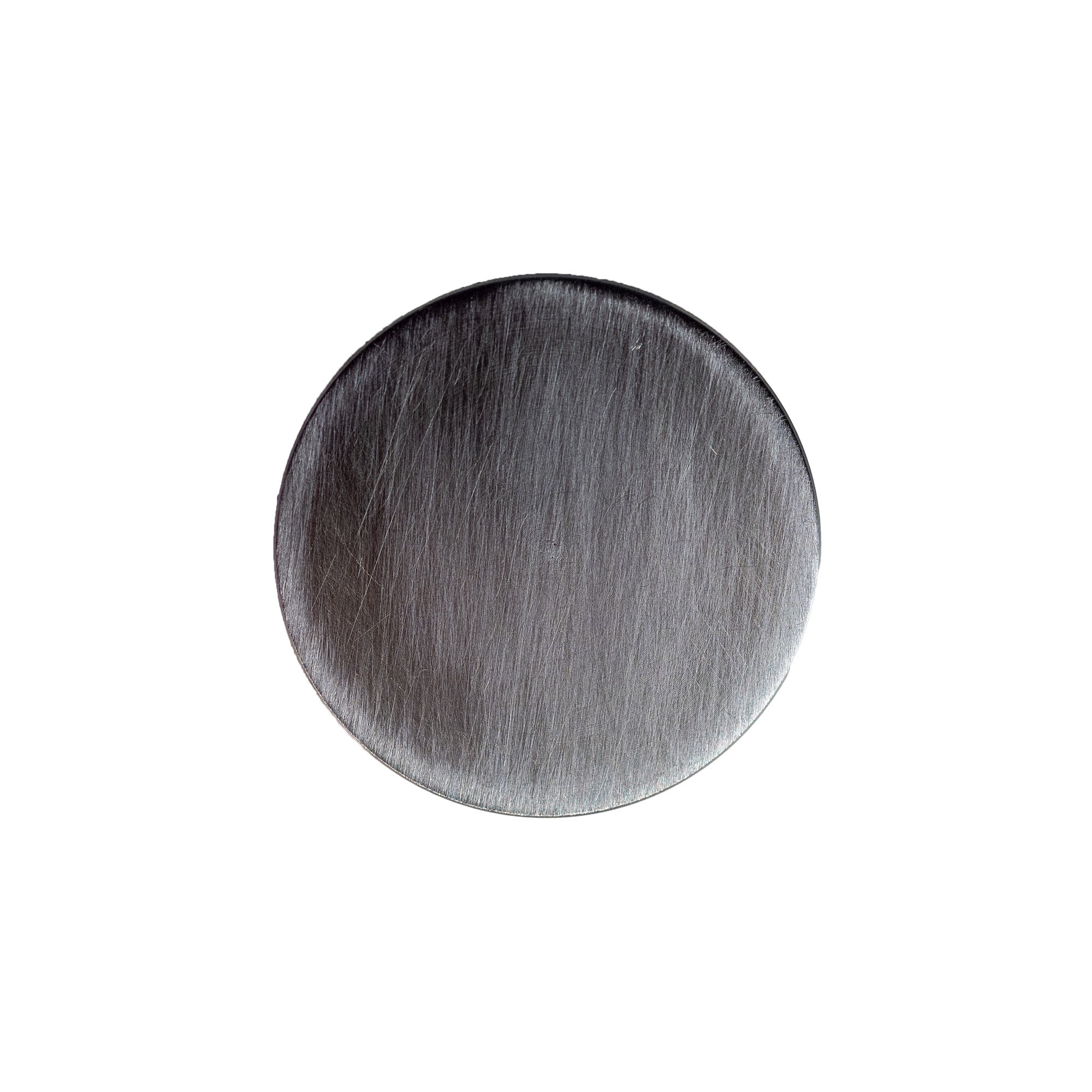
- 3mm Solid discs (ideal for XRF/LIBS)
- Thicker Solid Dics (ideal for OES)
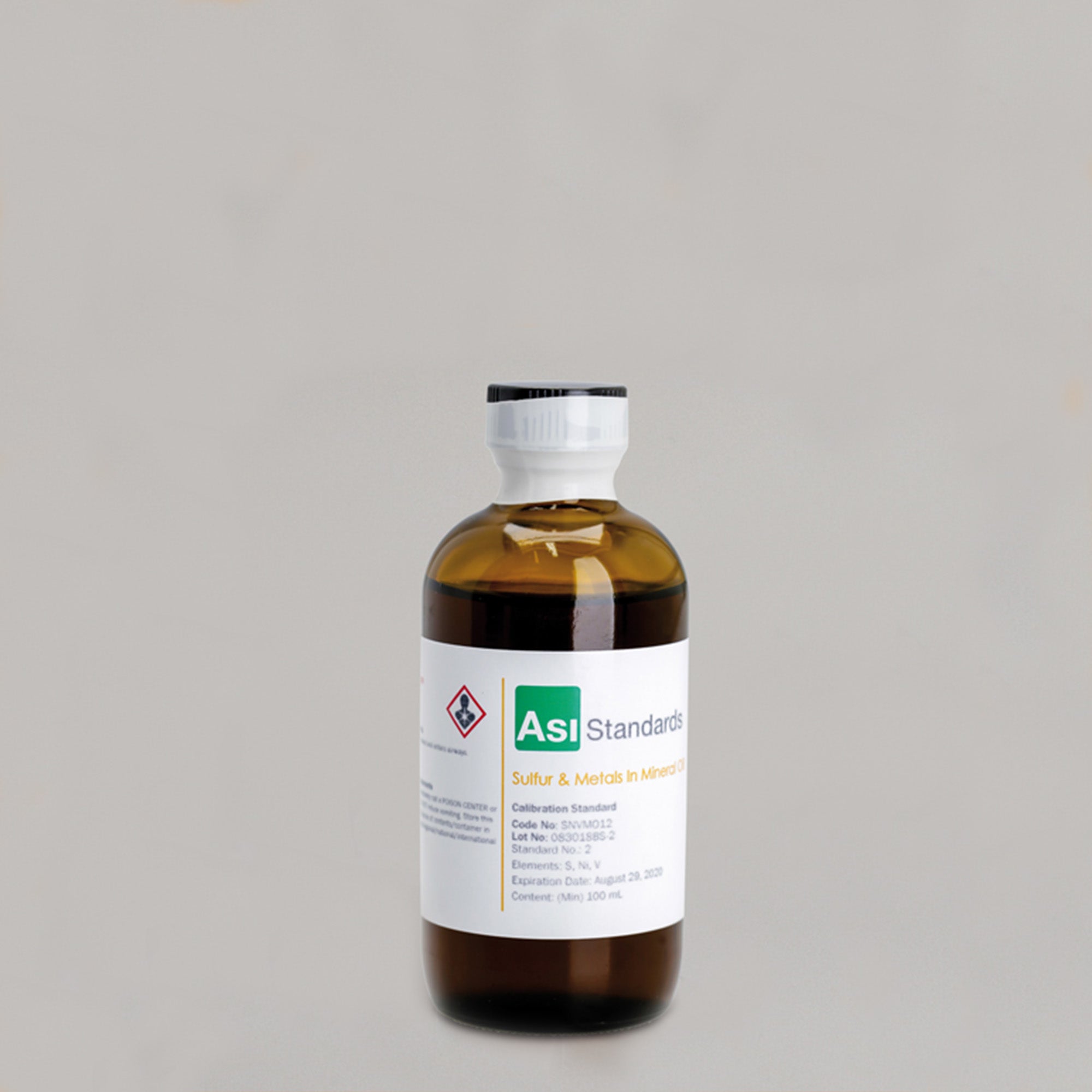
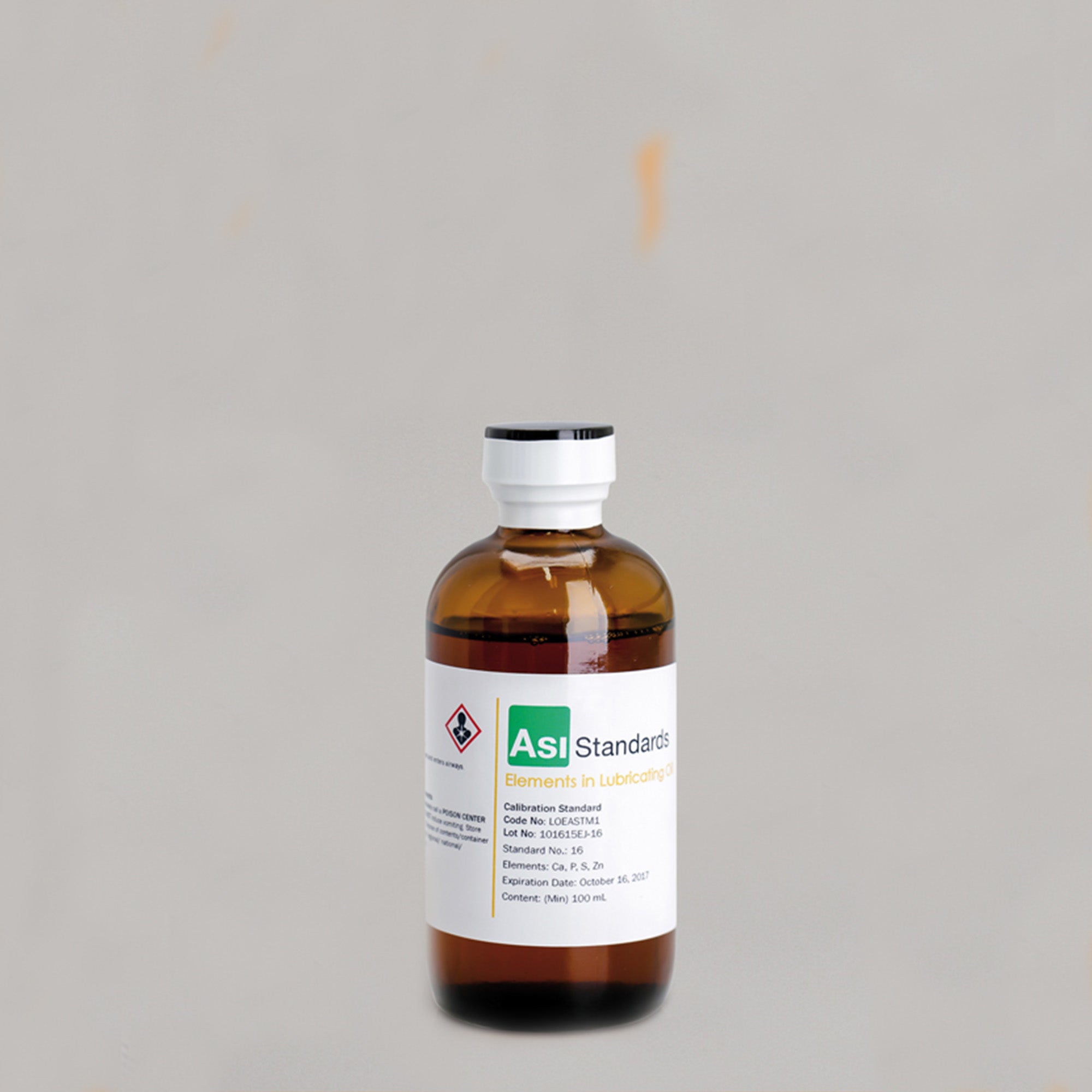
- Chips (commonly used for Combustion or ICP-OES)
Exact form factors are specified on each product page.
When Should You Use a CRM?
You should use CRMs when:
- Verifying a new analyzer or method
- Training operators
- Troubleshooting inconsistent results
- Establishing QA/QC procedures
- Comparing performance across instruments
- Demonstrating measurement confidence to customers or auditors
Many technical users perform daily or weekly checks using a small, well-selected CRM set.
Choosing the Right CRM
When selecting a CRM, consider:
- Analytical method (XRF, LIBS, OES)
- Alloy family and grade relevance
- Elemental ranges important to your application
- Instrument detection capabilities
- Required level of confidence (verification vs. calibration)
Alloy Geek structures CRM listings to make these decisions straightforward for technical buyers.
Why Alloy Geek CRMs?
Alloy Geek CRMs are curated specifically for portable and laboratory metal analysis workflows, with an emphasis on:
- Practical alloy relevance using our CRM selection expertise
- Clear, readable chemical documentation
- Compatibility with modern analyzers
- Transparent technical presentation
These materials are intended to be tools, not shelf artifacts.
Frequently Asked Questions (FAQ)
Do I need CRMs if my analyzer is factory calibrated?
Yes. Factory calibration does not account for drift, wear, contamination, or real-world operating conditions. You can also dial your spectrometer in to your specific application with CRMs.
Can one CRM work for all alloys?
No. CRMs should be compositionally similar to the materials you analyze for meaningful verification.
Are CRMs required for handheld XRF?
They are not legally required in most cases, but they are strongly recommended for accuracy, credibility, and QA/QC.
Do CRMs calibrate my instrument?
CRMs are primarily used for verification and validation. Calibration procedures depend on instrument type and manufacturer.