Bruker TITAN 360 Handheld XRF Analyzer
3 products
Showing 1 - 3 of 3 products
Advanced Handheld XRF with Light-Element Analysis for Alloy Identification & Metal Sorting
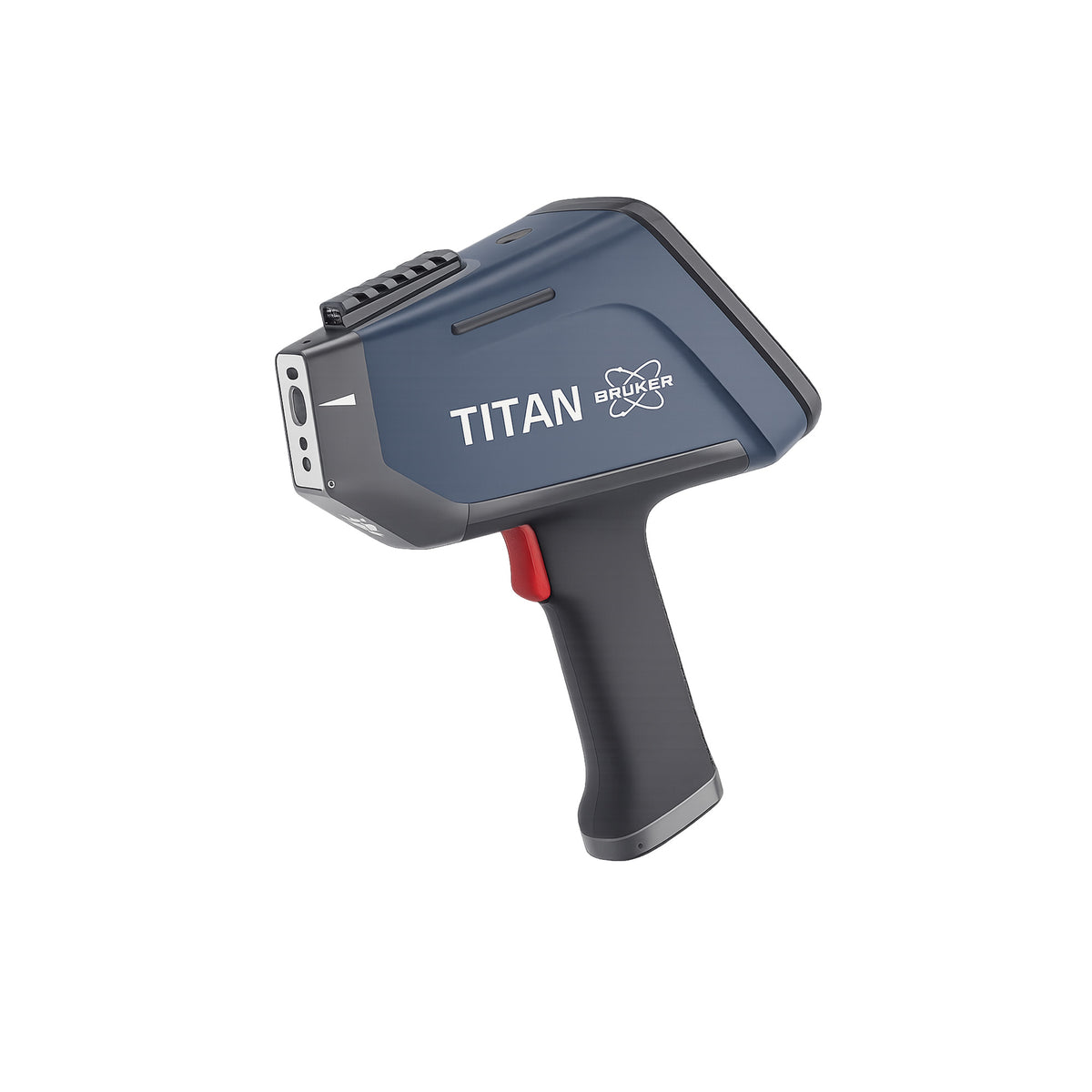
The Bruker TITAN 360 Handheld XRF Analyzer is designed for fast, nondestructive elemental analysis with the light-element capability needed for more demanding alloy identification and metal sorting applications.
For scrap recyclers, metal processors, manufacturers, inspectors, and alloy suppliers, the TITAN 360 expands handheld XRF analysis to important light elements including magnesium (Mg), aluminum (Al), and silicon (Si).
This added elemental capability is particularly valuable when identifying and separating aluminum alloys, magnesium alloys, and other grades where light-element chemistry is critical to reliable material identification.
Advanced Alloy Identification
Handheld XRF allows operators to identify metals directly where the material is being purchased, sorted, received, processed, or inspected.
The Bruker TITAN 360 is well suited for applications including:
- Scrap metal sorting
- Aluminum alloy sorting
- Magnesium alloy identification
- Stainless steel identification
- Low-alloy steel analysis
- Tool steel identification
- Nickel alloy identification
- Cobalt alloy identification
- Copper, brass, and bronze sorting
- Titanium alloy identification
- Incoming material inspection
- Positive Material Identification (PMI)
- Manufacturing quality control
- Metal purchasing and receiving
Light-Element Analysis: Al, Mg, Si, P & S
One of the most important capabilities of the Bruker TITAN 360 is its ability to measure the five common light elements encountered in metals analysis: aluminum (Al), magnesium (Mg), silicon (Si), phosphorus (P), and sulfur (S).
Direct measurement of these elements significantly expands the range of alloys that can be identified and differentiated with handheld XRF.
Aluminum (Al)
Important for aluminum-base materials and alloys containing aluminum as an intentional alloying element.
Magnesium (Mg)
Critical for differentiating many aluminum and magnesium alloys where Mg content is an important part of the grade chemistry.
Silicon (Si)
Important for aluminum alloy sorting and other materials where silicon concentration helps distinguish between grades.
Phosphorus (P)
Useful for identifying and differentiating alloys where phosphorus is an important compositional or grade requirement.
Sulfur (S)
Provides additional capability for applications where sulfur content is important to alloy identification, including certain steel grades.
The ability to measure Al, Mg, Si, P, and S, combined with heavier alloying elements such as Cr, Mn, Fe, Ni, Cu, Zn, Mo, and others, makes the TITAN 360 substantially more capable for demanding alloy sorting and identification applications.
Aluminum Alloy Sorting
Aluminum presents a particular challenge for handheld XRF when the analyzer cannot measure light elements.
Many common aluminum grades are differentiated by changes in Mg, Si, Cu, Zn, Mn, and other alloying elements. An analyzer capable of directly measuring Mg, Al, and Si provides a much more complete picture of the alloy chemistry.
This makes the TITAN 360 a strong choice for:
- Aluminum scrap processors
- Secondary aluminum producers
- Metal recycling facilities
- Aluminum distributors
- Manufacturing facilities
- Aerospace and transportation suppliers
- Incoming material verification
Whether separating mixed aluminum scrap or verifying known material, the TITAN 360 provides elemental information directly at the point of inspection.
Scrap Metal Sorting & Recycling
For recyclers, correctly identifying an alloy can directly affect the value of the material.
The TITAN 360 allows operators to quickly evaluate ferrous and nonferrous metals without cutting samples or sending material to a laboratory.
Common sorting applications include:
Stainless Steels
Identify and separate common stainless steel families and grades.
Nickel & Cobalt Alloys
Identify valuable high-temperature and corrosion-resistant alloys.
Copper Alloys
Sort brass, bronze, copper-nickel, and other copper-base materials.
Aluminum Alloys
Use light-element and heavier-element chemistry to improve aluminum grade identification.
Magnesium Alloys
Analyze light alloys where direct magnesium measurement is required.
Titanium Alloys
Identify titanium-base materials using their measurable alloying chemistry.
The result is faster material segregation and more information available to the operator while the material is still in the yard.
Positive Material Identification (PMI)
The TITAN 360 can also be used for Positive Material Identification and material verification in manufacturing, fabrication, inspection, and industrial environments.
Handheld XRF allows operators to analyze components without damaging them, making it useful for inspecting:
- Pipe
- Valves
- Fittings
- Flanges
- Weld materials
- Plate
- Bar
- Fasteners
- Fabricated components
- Raw materials
PMI can be performed during receiving, fabrication, installation, maintenance, or final quality inspection.
Incoming Material Inspection
A material certificate tells you what a material is supposed to be.
Handheld XRF allows you to check the material itself.
Manufacturers and metal distributors can use the TITAN 360 to verify incoming materials before they enter inventory or production.
This can help identify:
- Mixed materials
- Incorrect shipments
- Unmarked inventory
- Supplier discrepancies
- Questionable components
- Material segregation issues
The analyzer can also be used to investigate unknown materials already present in inventory.
Fast, Nondestructive Elemental Analysis
X-ray fluorescence provides elemental chemistry without requiring the sample to be destroyed.
Position the analyzer against the material, initiate the measurement, and review the resulting chemistry and material identification directly on the analyzer.
This makes handheld XRF particularly useful when testing finished components, valuable scrap, production materials, and inventory that cannot reasonably be transported to a laboratory for every measurement.
Designed for Industrial Environments
Bruker's TITAN platform is designed for field and industrial use, with a rugged IP64-rated housing, touchscreen operation, integrated data handling, and Bruker's patented TITAN Detector Shield™ for detector protection.
The current TITAN platform uses silicon drift detector technology with a graphene detector window, which Bruker specifically highlights for its sensitivity to light elements. The platform is designed to provide rapid elemental analysis in demanding applications including metals, recycling, mining, geochemistry, precious metals, and regulatory screening.
Data, Documentation & Connectivity
Modern material verification involves more than obtaining a grade result.
The TITAN platform provides integrated data storage and connectivity capabilities that allow analytical results to become part of an organization's quality, receiving, sorting, or documentation workflow.
Results can be stored for later review and transferred for reporting, recordkeeping, or integration with other systems.
This is particularly valuable for manufacturers and inspection organizations where material verification results need to be documented rather than simply viewed at the time of measurement.
Portable & Desktop Testing Options
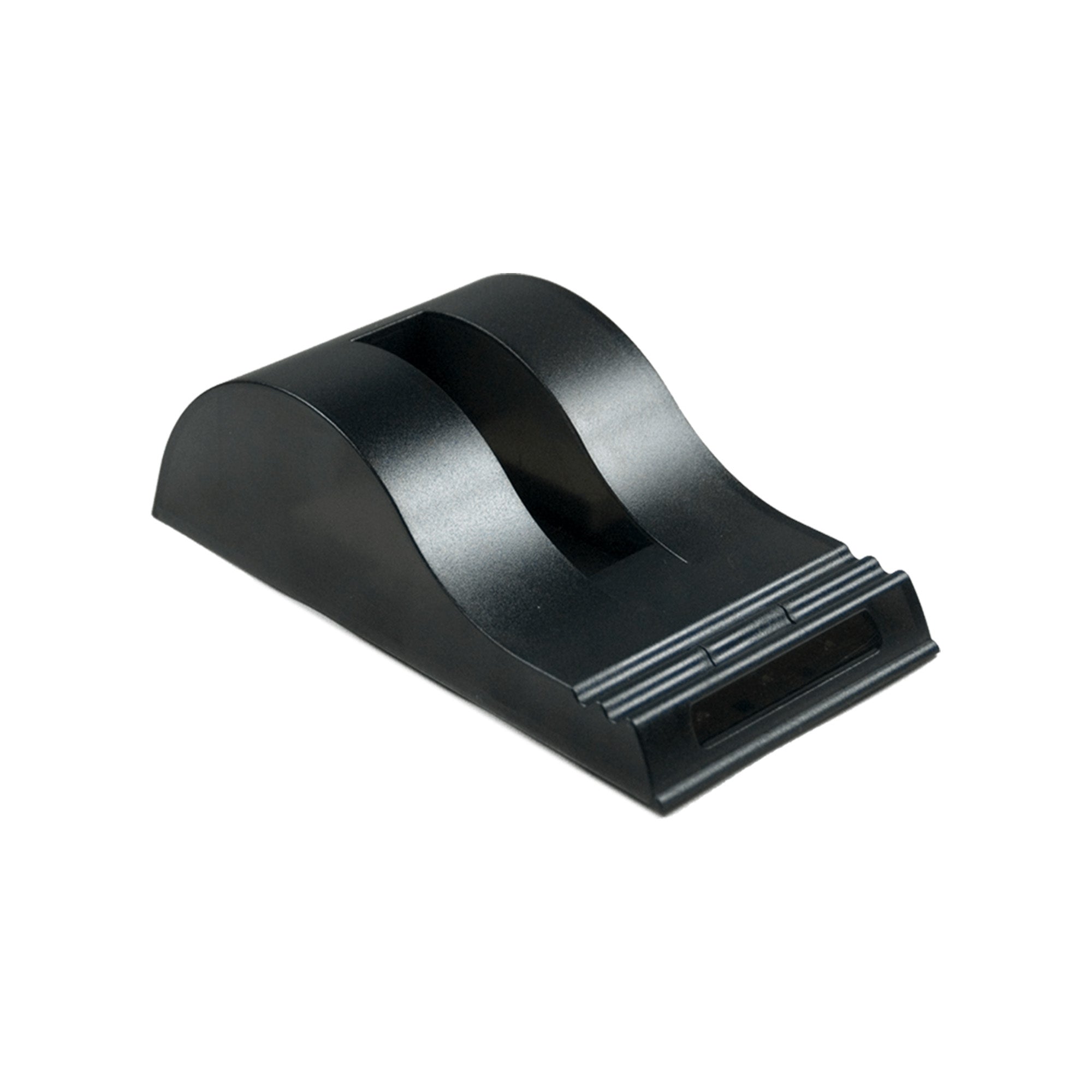
The TITAN platform can also be used with test stands for closed-beam XRF operation.
A portable test stand provides a convenient setup for smaller samples, reference materials, metal pieces, and applications where longer measurement times are desired.
For customers performing more frequent benchtop analysis, larger desktop testing solutions provide additional space for small samples and routine closed-beam XRF measurements.
Contact Alloy Geek to discuss available test stand options for your TITAN configuration.
TITAN 350 vs. TITAN 360
Choosing between the TITAN 350 and TITAN 360 largely depends on the elements and alloy families you need to analyze.
The TITAN 350 is designed for heavier-element analysis, with an elemental range beginning at titanium (Ti). It is well suited for many stainless steels, nickel alloys, cobalt alloys, copper alloys, and other applications where light-element measurement is not required.
The TITAN 360 adds light-element capability, including measurement of aluminum (Al), magnesium (Mg), silicon (Si), phosphorus (P), and sulfur (S). This expands its capabilities for aluminum and magnesium alloy sorting as well as other alloy applications where P, S, Si, or other light elements are important to grade identification.
Don't need light-element measurement?
Explore the Bruker TITAN 350.
Need Al, Mg, Si, P, and S for more advanced alloy identification?
Explore the Bruker TITAN 360. You're in the right place.
Choosing the Right Bruker TITAN
Not every XRF application requires the same analyzer.
The correct configuration depends on the materials, elements, concentrations, and analytical decisions you need the instrument to handle.
Alloy Geek can help evaluate your application before you purchase.
Tell us:
- What materials you're testing
- Which alloy families you encounter
- Which elements matter to your application
- Whether you need grade identification or quantitative chemistry
- Whether you're testing large components or small samples
- How the analyzer will be used in your operation
We'll help determine whether the Bruker TITAN 360 is the appropriate handheld XRF for your application.
Buy the Bruker TITAN 360 from Alloy Geek
Alloy Geek specializes in handheld XRF analyzers, operator training, certified reference materials, accessories, replacement parts, and application support.
Our goal isn't simply to sell you an XRF analyzer. It's to help make sure the analyzer you purchase is appropriate for the materials you actually need to test.
Contact Alloy Geek to discuss the Bruker TITAN 360, request a quote, or review your XRF application.