


Description
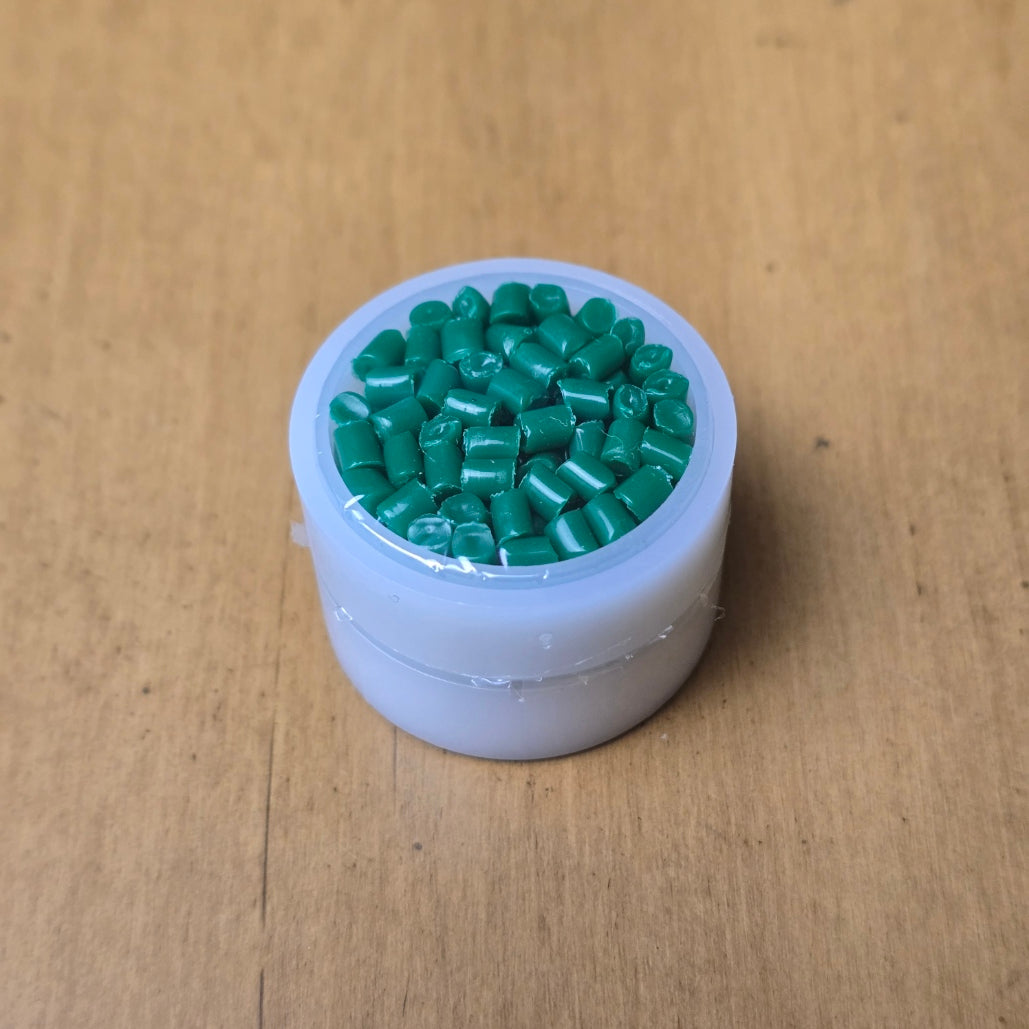
Ensure confidence in your handheld XRF measurements with the ERM-EC681m Handheld XRF Certified Reference Material (CRM). Produced by the European Commission's Joint Research Centre (JRC), this certified low-density polyethylene (LDPE) reference material is specifically designed for the verification, quality control, and performance validation of handheld XRF analyzers used for RoHS, WEEE, and consumer goods compliance screening.
ERM-EC681m contains certified concentrations of multiple regulated elements commonly evaluated during hazardous substance screening, making it an excellent reference material for laboratories, manufacturers, importers, third-party testing facilities, and handheld XRF operators.
This CRM is ideal for routine instrument verification, analyst proficiency testing, method validation, calibration verification, and demonstrating ongoing instrument performance.
Whether you're screening toys, electronics, plastics, cables, consumer products, or industrial polymers, ERM-EC681m provides a trusted certified standard for maintaining confidence in your XRF results.
Applications
- RoHS Compliance Screening
- WEEE Compliance Testing
- Consumer Goods Testing
- Electronics Manufacturing
- Plastic Component Verification
- Polymer Identification
- Quality Control Laboratories
- Third-Party Testing Laboratories
- Incoming Material Inspection
- Factory Quality Assurance
- Handheld XRF Performance Verification
- Instrument Validation
- Daily QC Checks
- ISO 17025 Laboratory Support
Compatible Handheld XRF Analyzers
Compatible with virtually all handheld XRF analyzers designed for RoHS and consumer goods analysis, including Niton, Olympus/Evident, SciAps, Bruker, Hitachi, etc.
Certified Elements
ERM-EC681m is certified for:
- Arsenic (As)
- Bromine (Br)
- Cadmium (Cd)
- Chlorine (Cl)
- Chromium (Cr)
- Mercury (Hg)
- Lead (Pb)
- Sulfur (S)
- Antimony (Sb)
- Tin (Sn)
- Zinc (Zn)
Material
- Low Density Polyethylene (LDPE)
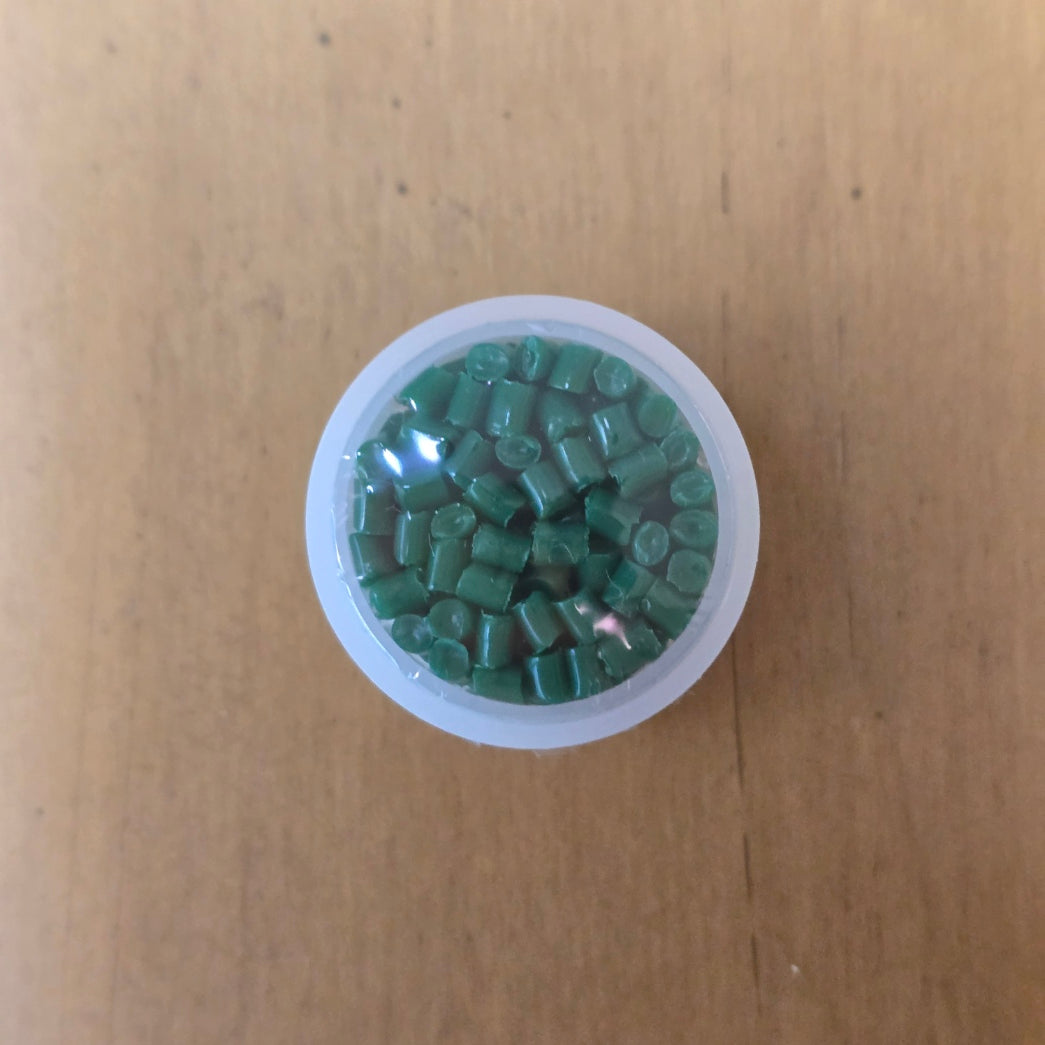
- Granular polymer reference material
- Certified Reference Material (CRM)
- Produced by the European Commission Joint Research Centre (JRC)
Typical Uses
- Daily instrument performance verification
- Calibration verification
- Measurement repeatability studies
- Analyst training
- Laboratory quality control
- Method validation
- Preventative maintenance verification
- Customer acceptance testing
Why Purchase from Alloy Geek?
At Alloy Geek, we specialize exclusively in handheld XRF technology. Every certified reference material we offer is selected specifically for handheld XRF performance verification and supported by experts who understand real-world instrument operation.
Whether you're performing incoming inspections, RoHS compliance screening, or production quality control, we help ensure your handheld XRF delivers reliable and defensible results.
Do Good Science.
Specifications
| Property | Value |
|---|---|
| CRM Number | ERM-EC681m |
| Material | Low Density Polyethylene (LDPE) |
| Form | Polymer Granules |
| Intended Use | Handheld XRF Verification |
| Application | RoHS, WEEE, Consumer Goods |
| Certified Elements | As, Br, Cd, Cl, Cr, Hg, Pb, S, Sb, Sn, Zn |
| Certificate Included | Yes |
| Traceability | European Commission Joint Research Centre (JRC) |
What's Included
- ERM-EC681m Certified Reference Material
- Official ERM-EC681m Certificate of Analysis (PDF)
- Protective packaging for shipment and storage
Frequently Asked Questions
What is ERM-EC681m?
ERM-EC681m is a certified reference material (CRM) produced by the European Commission Joint Research Centre (JRC). It consists of low-density polyethylene (LDPE) granules with certified concentrations of multiple elements commonly evaluated during RoHS and consumer goods compliance testing. It is widely used for quality control, instrument verification, and method validation.
What is ERM-EC681m used for?
ERM-EC681m is primarily used to verify the performance of handheld XRF analyzers during the analysis of plastics and polymers. It is commonly used for:
- Daily instrument verification
- Laboratory quality control
- Method validation
- Analyst training
- Measurement repeatability studies
- Performance monitoring over time
Which handheld XRF analyzers are compatible with this CRM?
ERM-EC681m is compatible with virtually all handheld XRF analyzers designed for plastics, RoHS, and consumer goods applications, including instruments from Thermo Scientific Niton, Evident Vanta, Olympus Delta, Hitachi, Bruker, SciAps, Viken, and many other manufacturers.
Is this reference material certified?
Yes. ERM-EC681m is a certified reference material (CRM) produced by the European Commission Joint Research Centre (JRC). Each unit includes the official certificate listing the certified values, associated uncertainties, and traceability information.
What elements are certified?
ERM-EC681m includes certified values for:
- Arsenic (As)
- Bromine (Br)
- Cadmium (Cd)
- Chlorine (Cl)
- Chromium (Cr)
- Mercury (Hg)
- Lead (Pb)
- Sulfur (S)
- Antimony (Sb)
- Tin (Sn)
- Zinc (Zn)
Can this CRM be used to calibrate a handheld XRF analyzer?
ERM-EC681m is intended primarily for instrument verification, quality control, and method validation rather than factory calibration. Most handheld XRF analyzers are calibrated using proprietary manufacturer calibration procedures. This CRM is ideal for confirming that your instrument continues to perform within expected specifications.
Is this CRM suitable for RoHS compliance testing?
Yes. ERM-EC681m was specifically developed to support laboratories and manufacturers performing RoHS and WEEE screening of plastic materials. It provides certified concentrations of several elements commonly evaluated during compliance testing and is an excellent quality control material for handheld XRF screening.
Does handheld XRF determine the chemical form of bromine or chromium?
No. Handheld XRF measures the total concentration of bromine (Br) and chromium (Cr), but it cannot determine the chemical species or oxidation state. For example, XRF cannot distinguish between restricted and unrestricted brominated compounds, nor can it differentiate hexavalent chromium (Cr(VI)) from trivalent chromium (Cr(III)). Additional laboratory methods are required when chemical speciation is necessary.
Why is bromine included if RoHS restricts specific flame retardants?
Handheld XRF is a screening technology. Measuring total bromine helps identify materials that may contain brominated flame retardants. Elevated bromine levels often indicate that additional laboratory testing may be appropriate to determine whether restricted compounds such as PBBs or PBDEs are present.
What material is ERM-EC681m made from?
ERM-EC681m consists of low-density polyethylene (LDPE) granules. The polymer matrix closely resembles many consumer plastic products, making it well suited for verifying handheld XRF performance on polymer samples.
How often should I verify my handheld XRF with a CRM?
Many laboratories and quality assurance programs perform a verification at the beginning of each workday, after instrument maintenance, following calibration changes, or whenever measurement accuracy needs to be confirmed. The appropriate verification frequency should be established by your organization's quality management system and applicable regulatory or accreditation requirements.